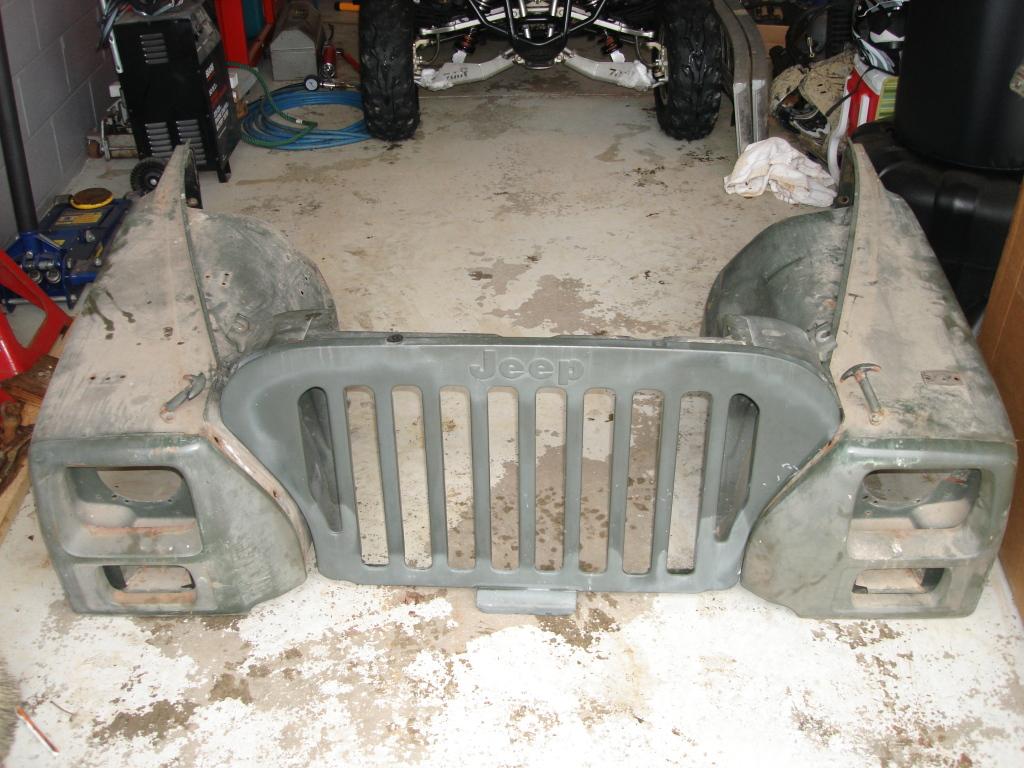
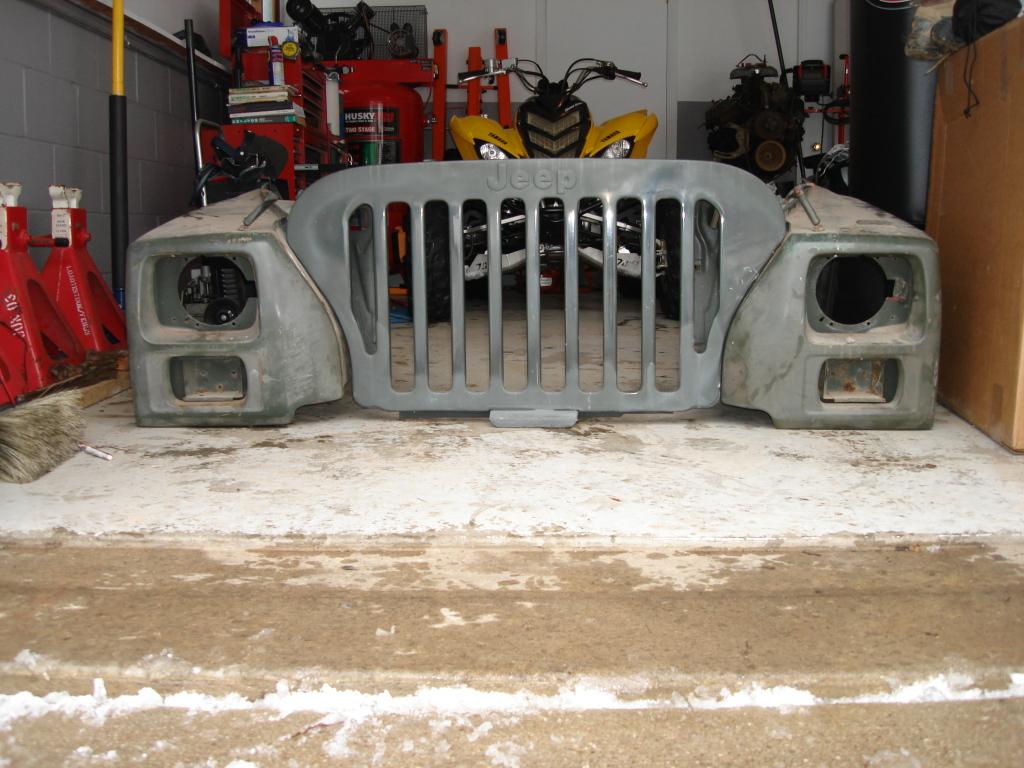
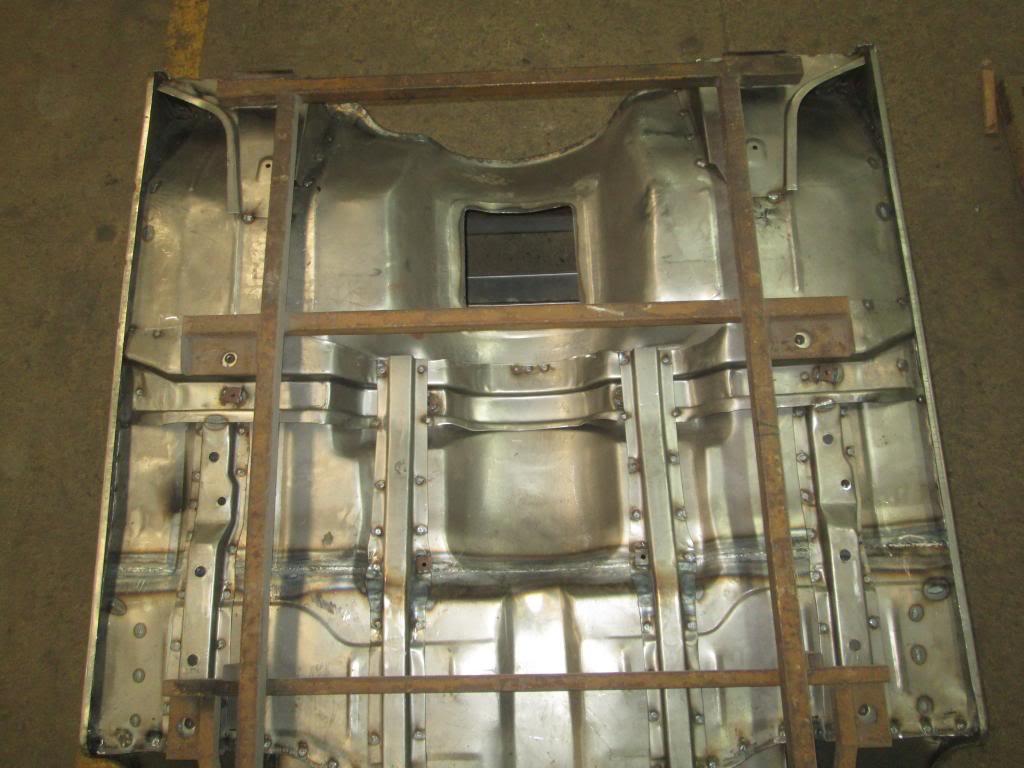
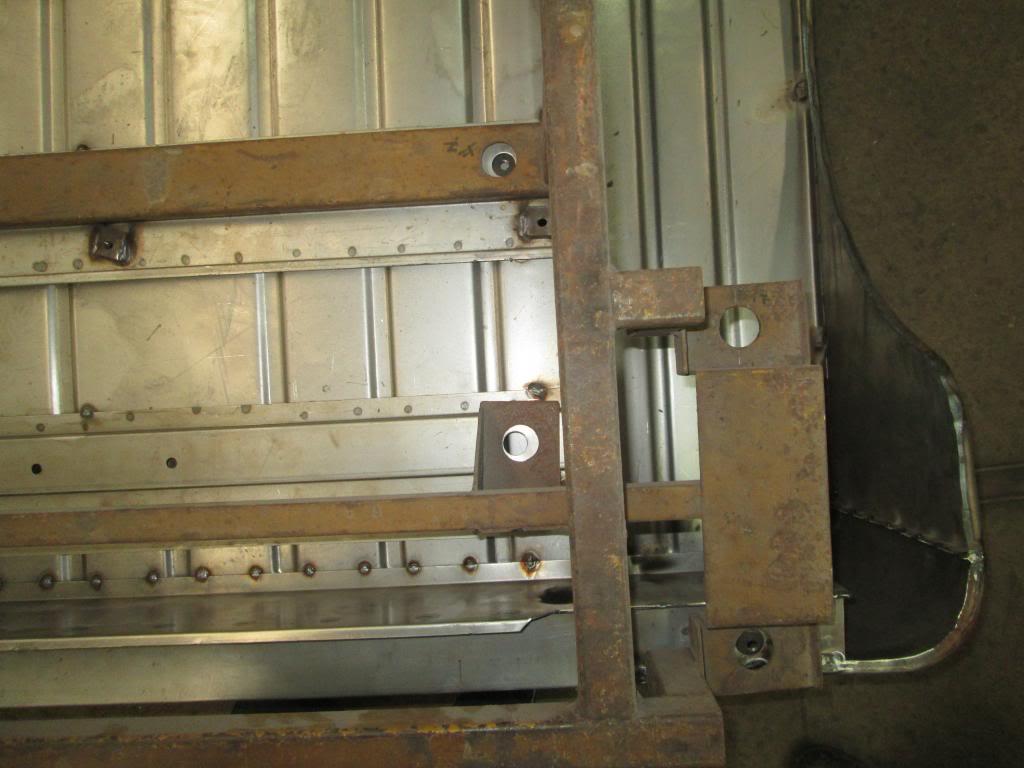
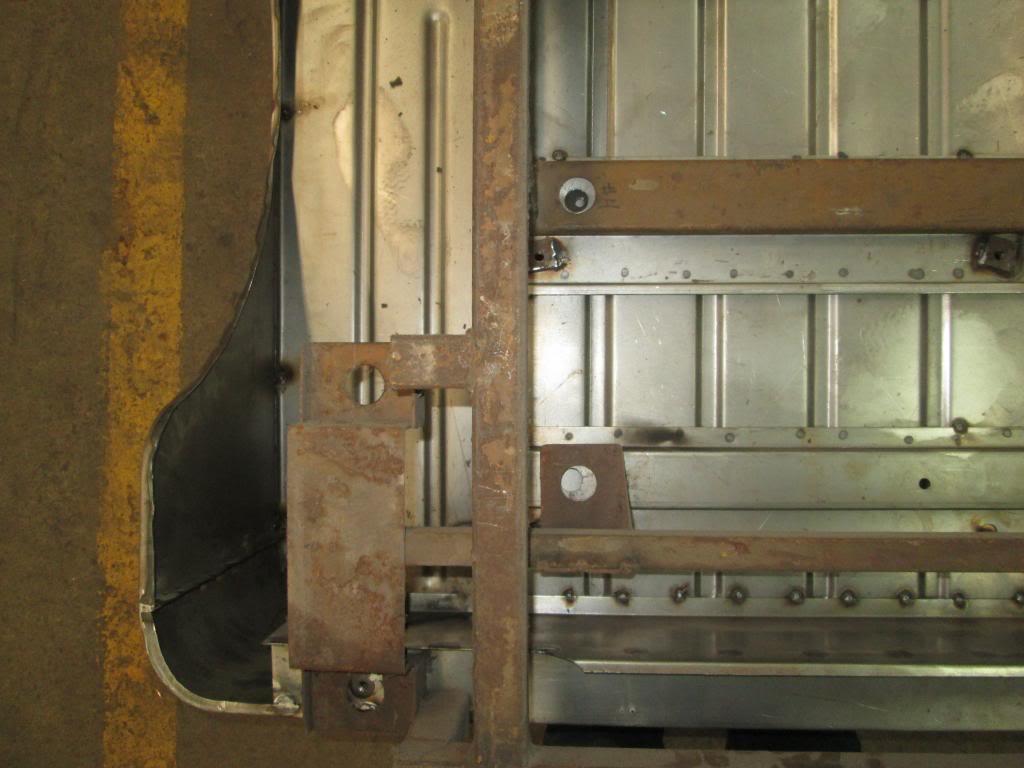
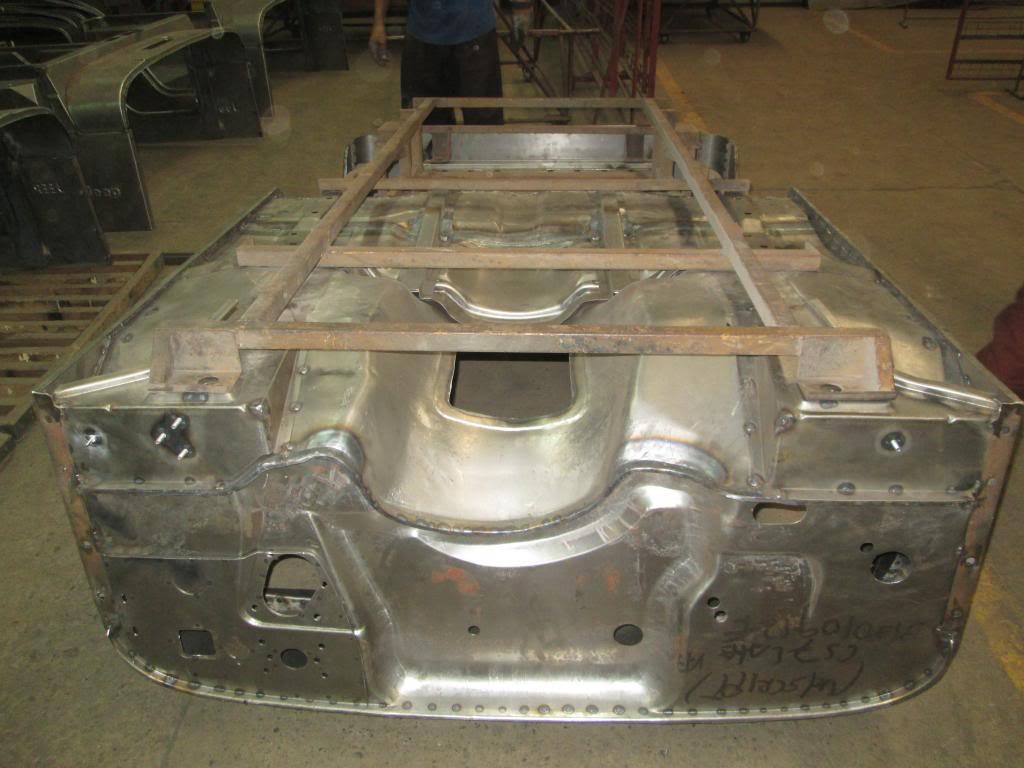
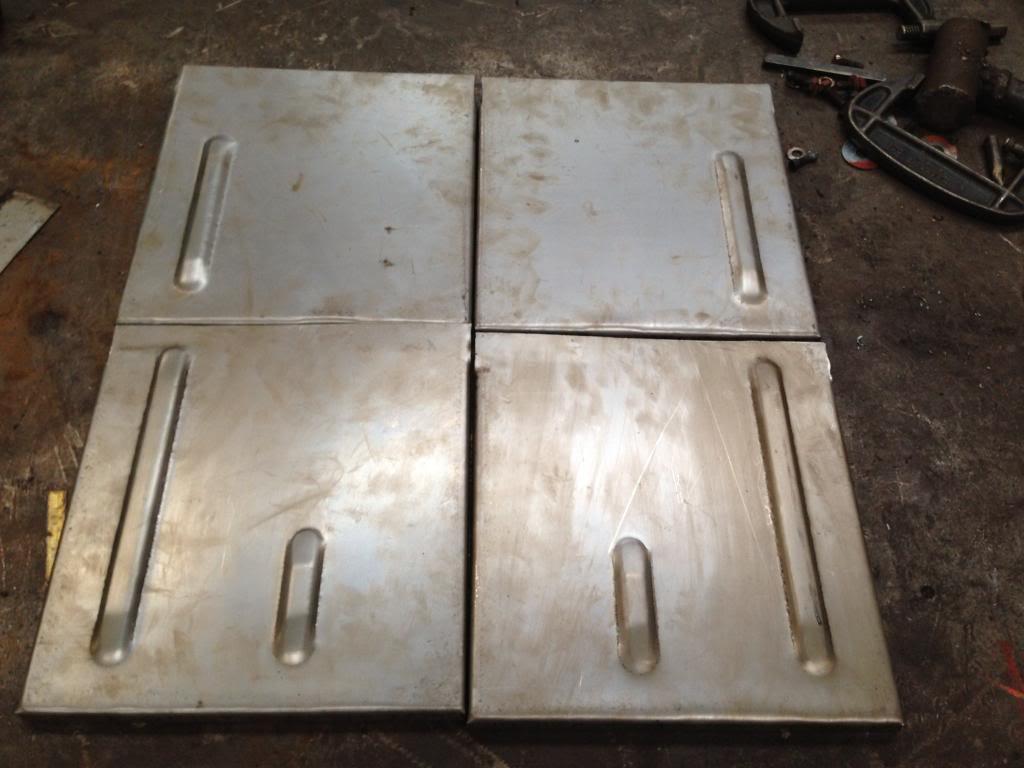
I was thinking a complete body in a box.
You could ship a set of all the parts to the Stateside distributor and either have them do assembly here. Or do the packaging into a kit over here. It seems that folks like OMIX/ADA and this Bensinger place have only had certain pieces or things like the floor assembly.
For shipping I would think that being able to have a stack of side panels, a stack of floor panels, Stacks of each brace, and small part would make it easier to fill a container and get a better deal on shipping. I was thinking that with full bodies you can get what 10 bodies in a container and then it is full. You also have to worry about dents and dings to the body during shipping. Knocked down you could get what 100 bodies in a container before you reached the weight limit?
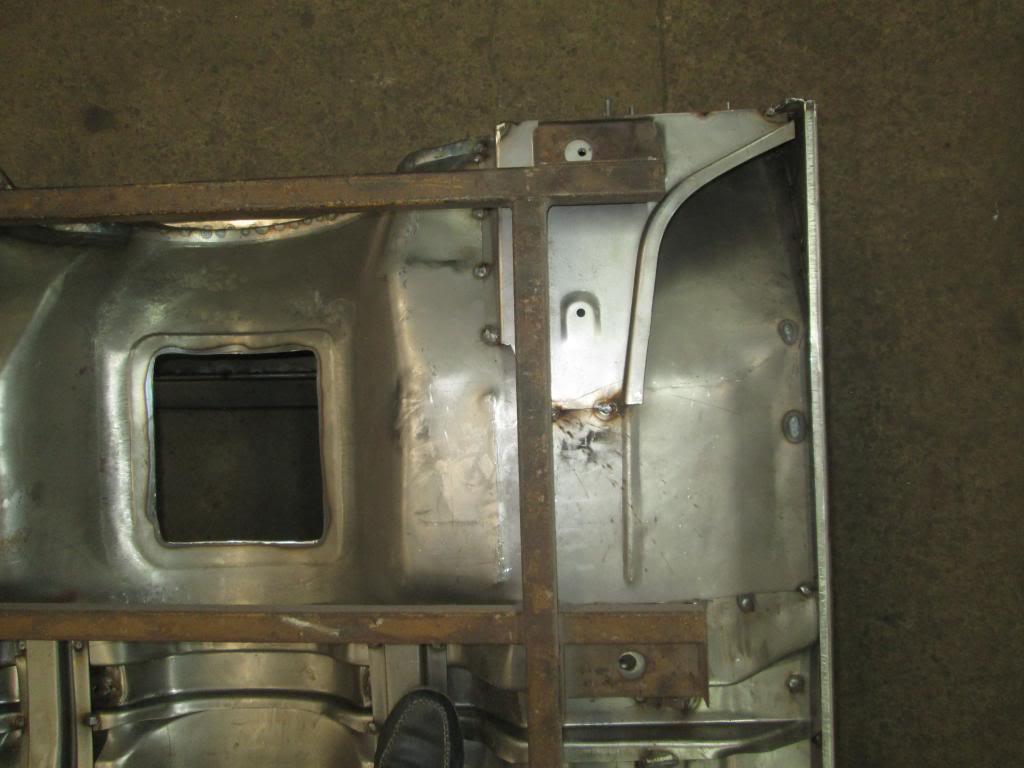
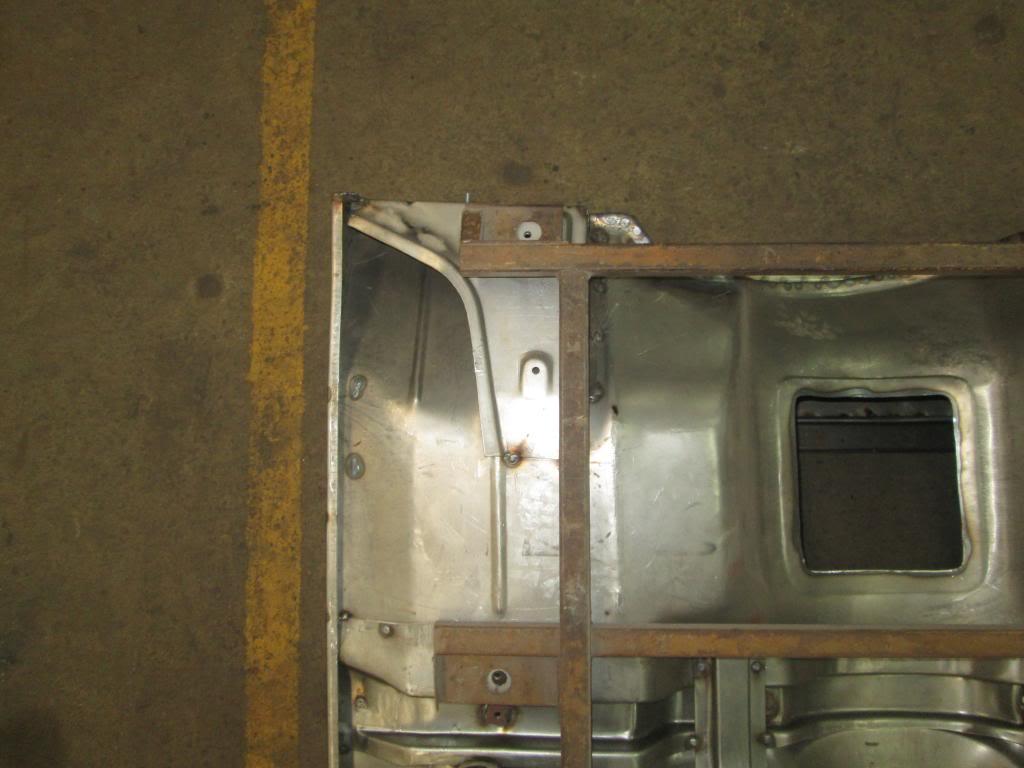
If you had a stack of side panels, or floor panels without the braces welded in yet then they would be better protected for the trip. If you add a dimple to the die in the stamping process you would have a locator built into the parts so that Jigs were not needed for most of the assembly. So if there was a tab or small mark in the sheet metal you can just put the rib on top of the floor and spot weld away. Makes assembly pretty fool proof. It cuts jobs on your side of the water, but makes end use easier.
With the amount of rework that is happening on this side of the water to fix assembly mistakes and or shipping damage it would end up in a lower cost to the consumer however. The other upside is that folks doing restorations would not have to worry about getting the metal that has been sandwiched together where the ribs are welded properly treated to resist rust. This has always been something that I worry about with replacement sheet metal. How do you properly treat those areas that you can no longer get to. I would feel much better doing the treatment myself. Well unless we could get galvanized metal for the Jeep. I understand that Stainless is too much, and I have an aluminum body here and there are issues with that. But there are better surface treatments.
The other advantage of not shipping an assembled body is that if a panel does get dinged, it is a easy fix to grab another off of the shelf during the process over here. If you ship a body and it gets a dent, then you end up having to discount that whole body, rather than substituting a new panel.
So maybe in the end it is up to the distributor to sell the complete kit rather than you as the manufacturer. But if you offered this pricing difference to the distributor maybe it would work.
Also I kind of like the idea of making the panels without most of the holes and nuts welded to them. If someone wants to upgrade or change then there is no filling of holes or removing what you the factory has done. If this was a full on assembly plant the proper location of each item makes that line work faster. But in this form where we are doing a lot of custom stuff and one off builds. Having more leeway while looking stock is more of an advantage. The easy way around not drilling the holes is to provide a paper template or set of electronic drawings with measurements so that proper holes can be drilled on the end users side. It is nice to advertise a complete drop on body, but honestly most of the folks who do these body swaps are willing to put 8-40 hours into it to get a better fit. I personally would rather drill or cut a hole for wires or A/C, than having to create a patch and fill something that might have been there at the factory but that I am doing away with now.
These holes apply mostly to the Firewall and floor but might make your stamping process easier.
Carl