mysunnshine
Legacy Registered User
- City
- Phoenix
- State
- AZ
The vapor rises in the tank, my fuel pick up is submerged in fuel at the bottom of the tank, just like an in tank pump. So, I would assume I am sucking up bubbles in the liquid?
No, you would not be sucking up bubbles. When your pump has to suck up the pick-up tube while it's trying to boil is when you have your vapor lock issue.
As for the venting, I am running the stock CJ 20 gallon tank. IIRC, it has two 1/4" vents at the top, tied together, then run into a steel 1/4" return line that runs to under the hood. My vents/rubber line are new, OEM steel line is clean/clear. I am running a GM Vapor charcoal canister under the hood. A very simple one. Vent line from tank to can. Purge line runs directly below throttle blades. Air In fitting on top. No electric/thermal/vacuum controls/ Once the throttle is cracked, manifold vacuum pulls through the canister. My system is based off an '89 GM Suburban. I never have an excess pressure issue. No fuel smells, no "woosh" when pulling fuel filler cap, nothing. Seems to work fineThis last trip, after having the "hot fuel issue", I loosened the cap, problem still present.{/quote]
Yea, out here we have much worse conditions than you. Temperature being the big difference. Remember that moisture(humidity) pulls heat also along with airflow. When you have 115 degrees with 8% humidity, it's much harder to cool out here.
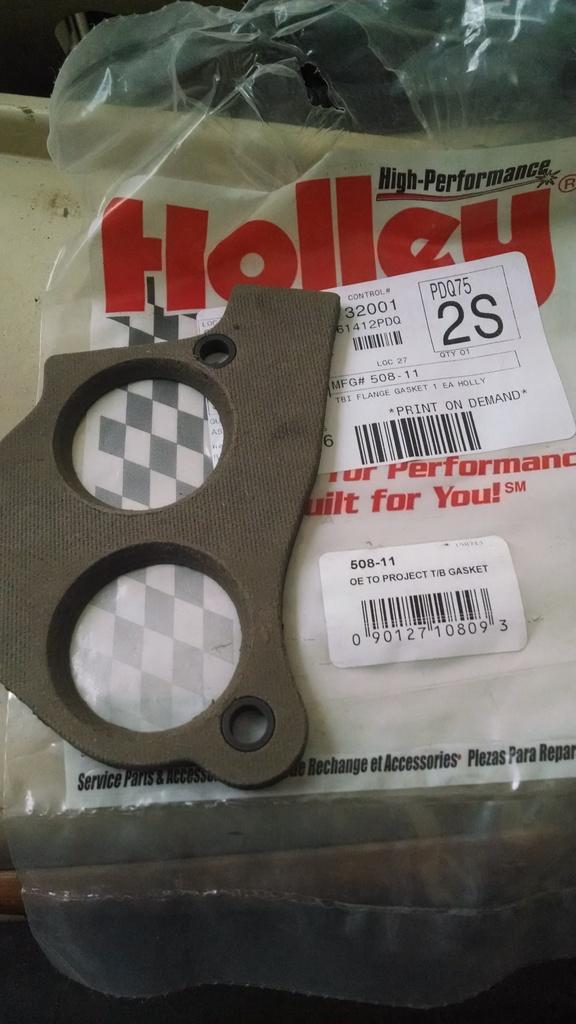
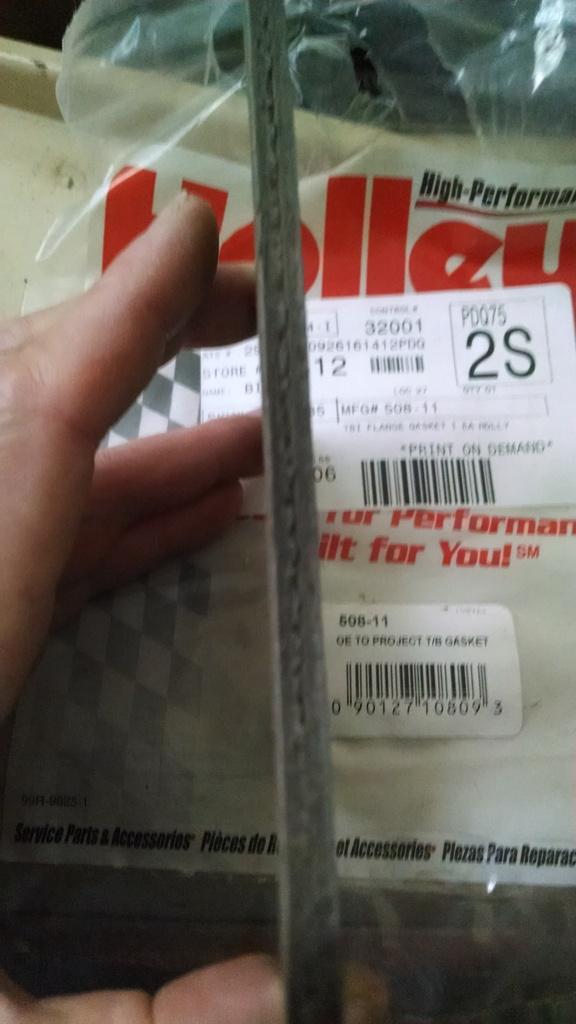
I am going to try the thermal gasket thing from Holley, worth a shot, easy to install, can't hurtBut, I will be amazed if it 100% fixes my hot fuel problem. I assume beside engine heat, just the fuel constantly circulating through the lines heats it up, too. The 90+ degree temps are just the final nail in the coffin. I guess I could move up north, might be easier than convincing me to get an in tank pump

The last vehicle I checked this summer, the fuel tank was showing 138 degrees so it was boiling in the tank. With the in-tank pump, it had no issues however-
Another question - why does this only happen at high speeds on the interstate? I never have had a problem crawling through the woods in August down here in 100+ heat? Pump output is consistent across the RPM range, so I would assume I have just as much fuel (or more) flowing back to the tank at low speeds, less at higher speeds? Never a problem in stop and go city hell hole gridlock traffic? Besides heats, high speeds seem to be the other necessary factor ??
It becomes an issue because the engine is requiring more horsepower at speed for a longer duration of time. Jeeps probably require 24hp stock to go down the road at 50mph. Now add some weight, heavier tires, lack of gearing, accessories blocking the airflow, etc, that number will increase especially with wind resistance. With the increase in horsepower required, it will increase the heat produced. The last time I drove mine up in the mountains, the downhill section that I typically downshift to 3rd gear in my truck I just let off of the throttle instead in the Jeep. It's definitely a brick.......