
red mistress
Red Jeep Collector
- City
- Piney woods
- State
- tx
What oil are you going to use in T5 ?



Do you have any pictures about how the shift rod actually plugs in to the transmission?


What oil are you going to use in T5 ?

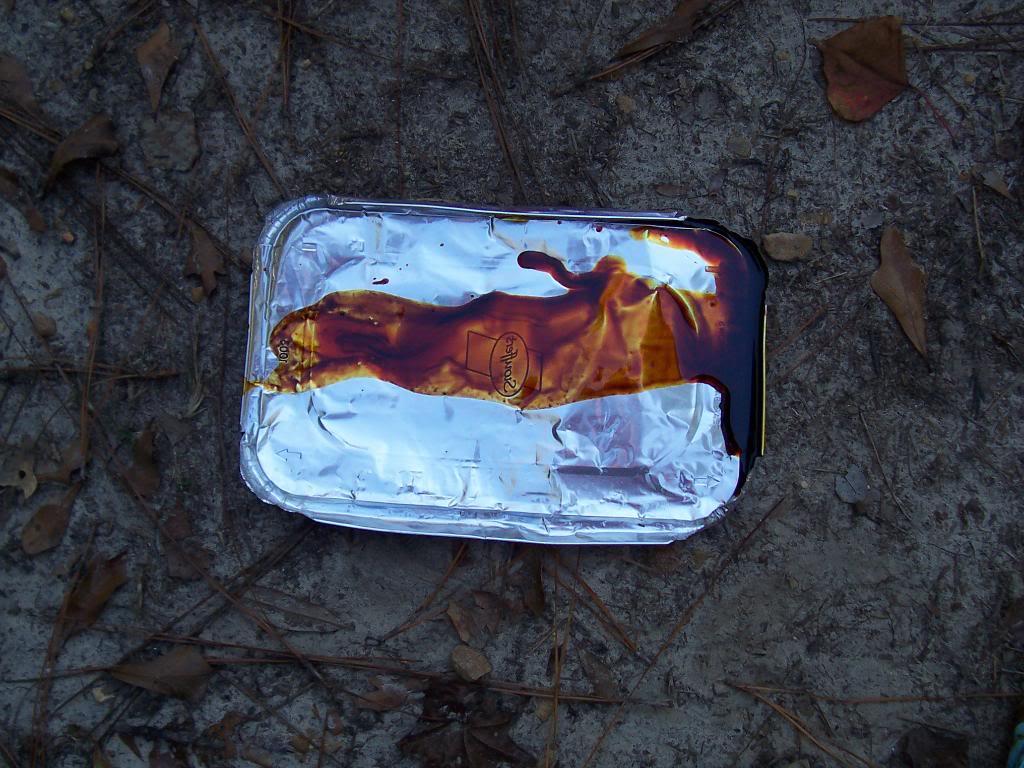
 That last bit of the recall note, and I quote: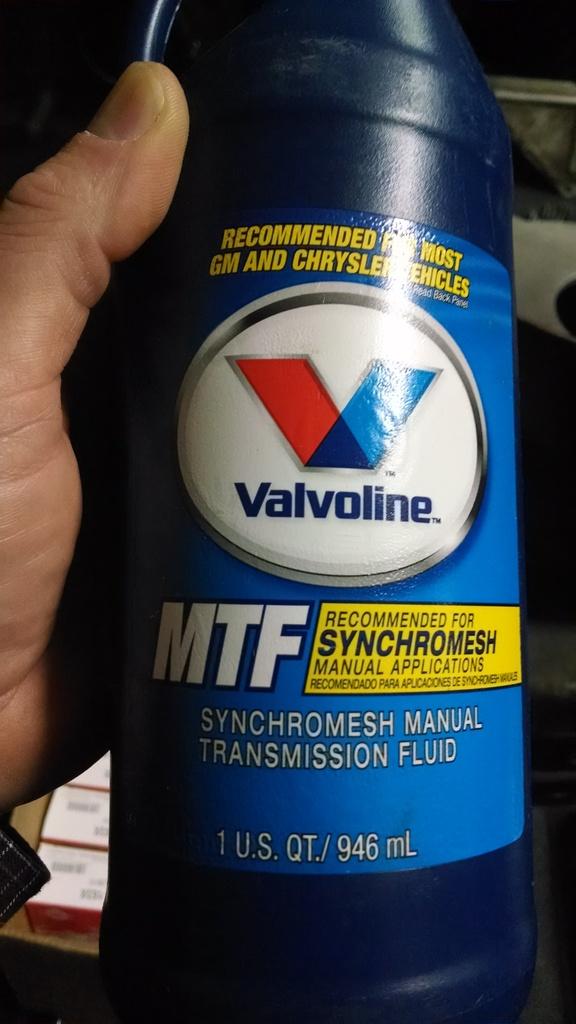
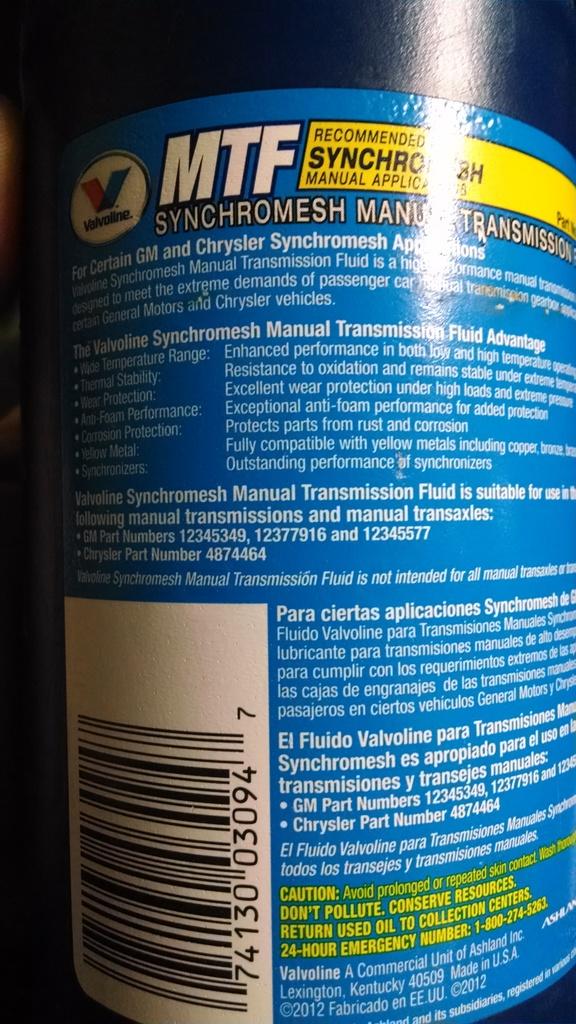


I locked up a T150 3 speed like that once, it was not pretty
One of the gears friction welded itself on to the main shaft, blew the seals out of a press trying to disassemble it
Very similar failure on my end but it was the bearing that welded itself to the input shaft. I made it to within 2 min of JeeperDD's place when it went sure was nice to be heading somewhere that with one phone call pulled a new Transmission and had it waiting in the garage to be swapped when i Limped in.


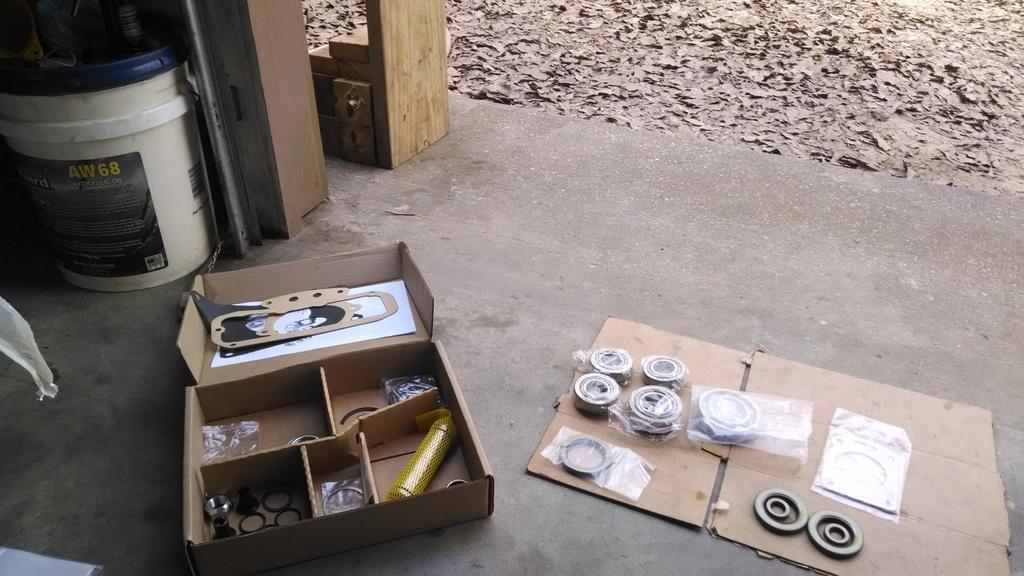
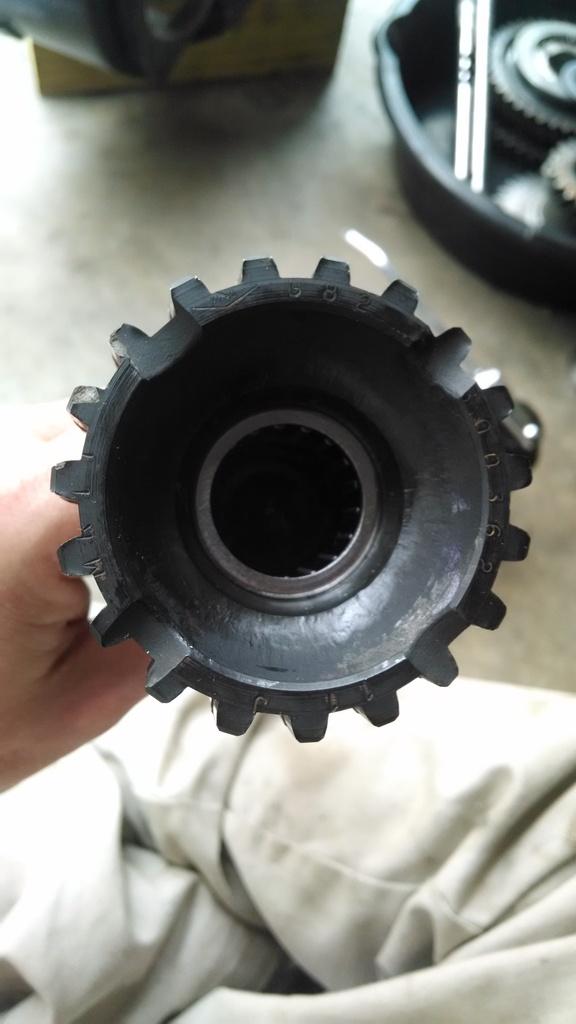
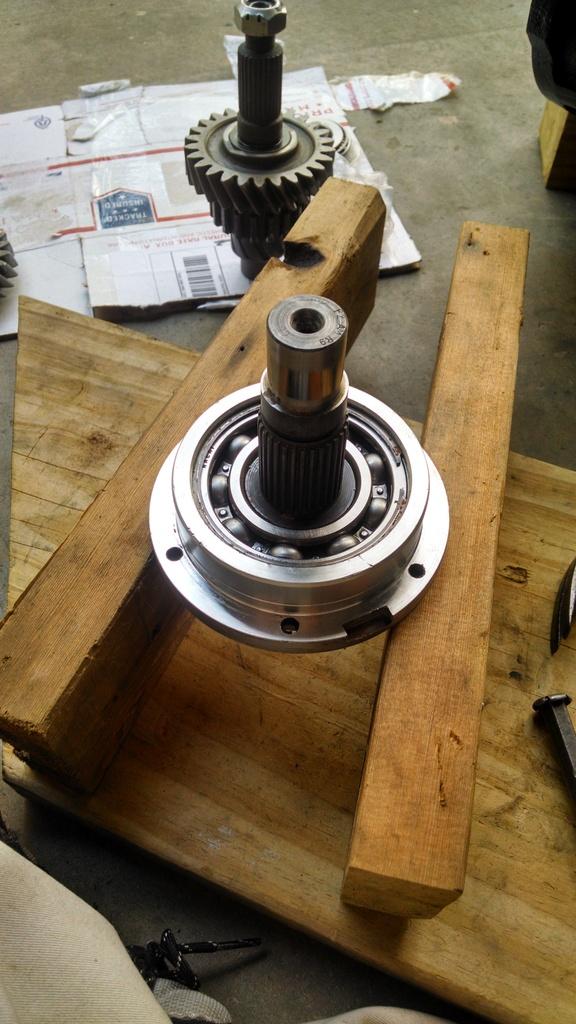

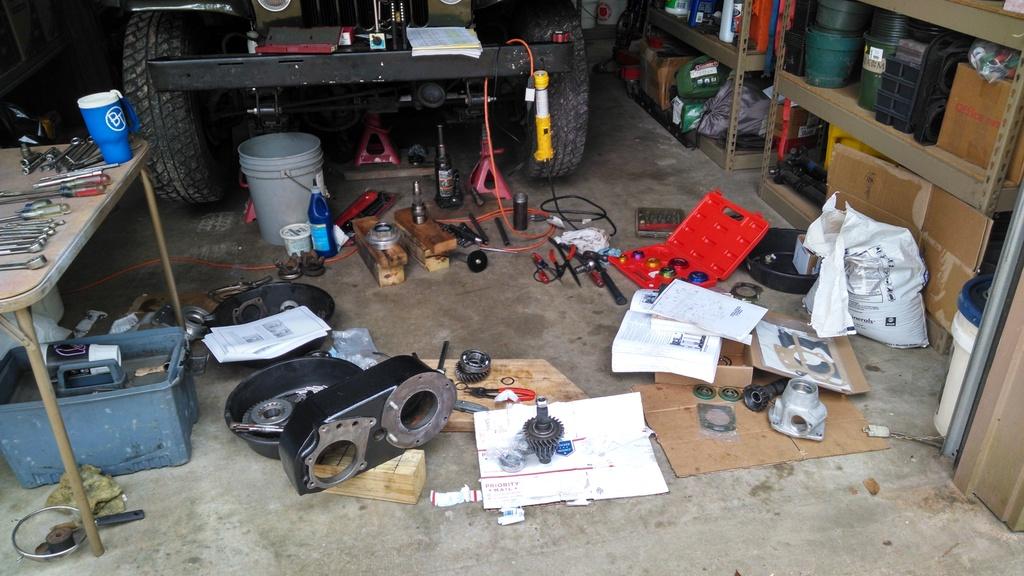
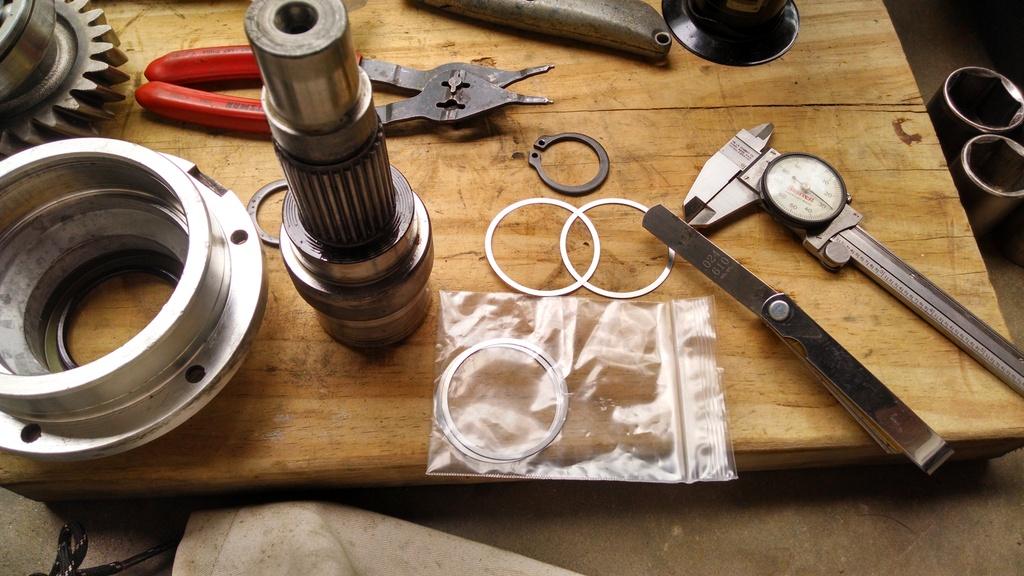
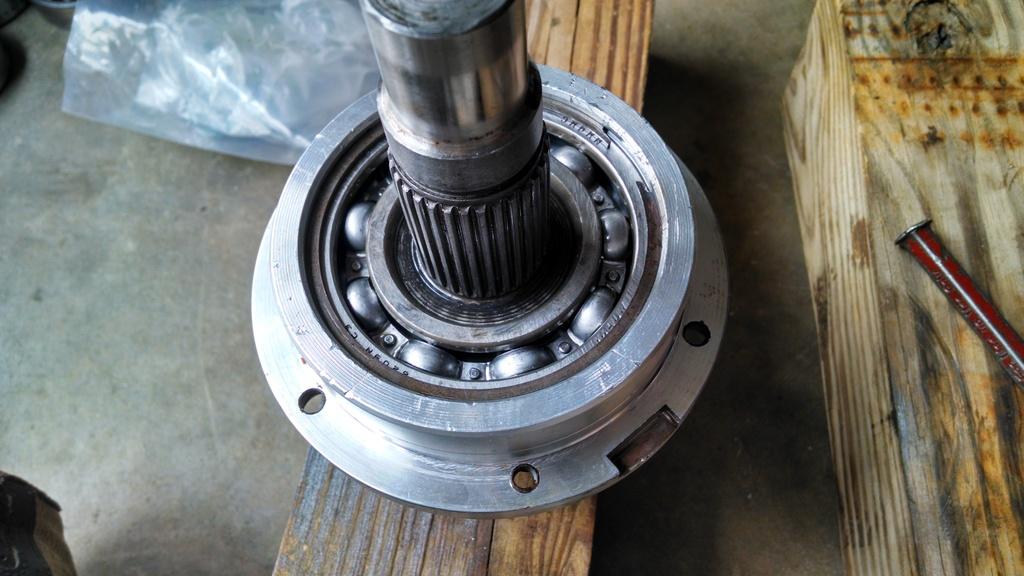
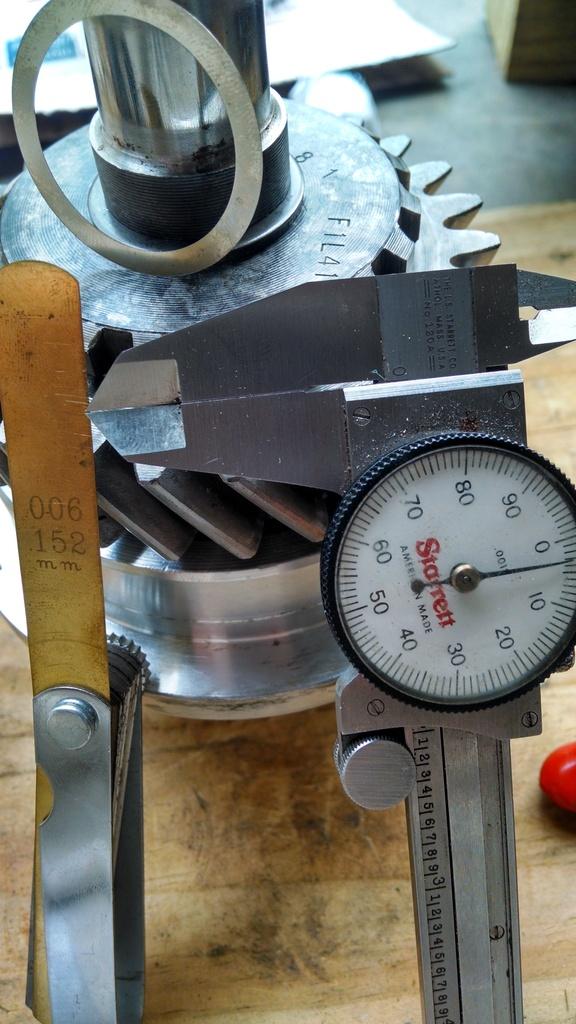
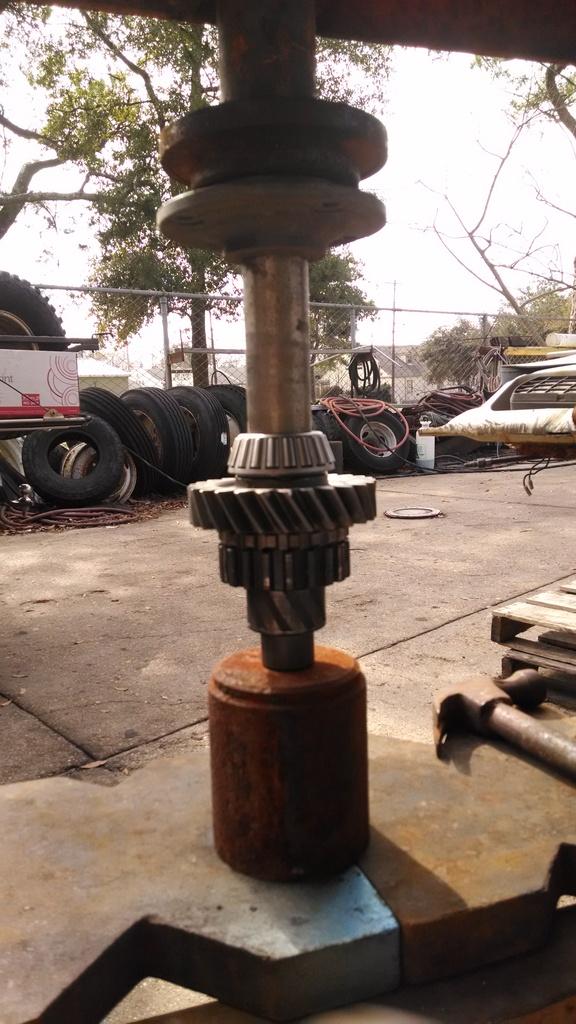
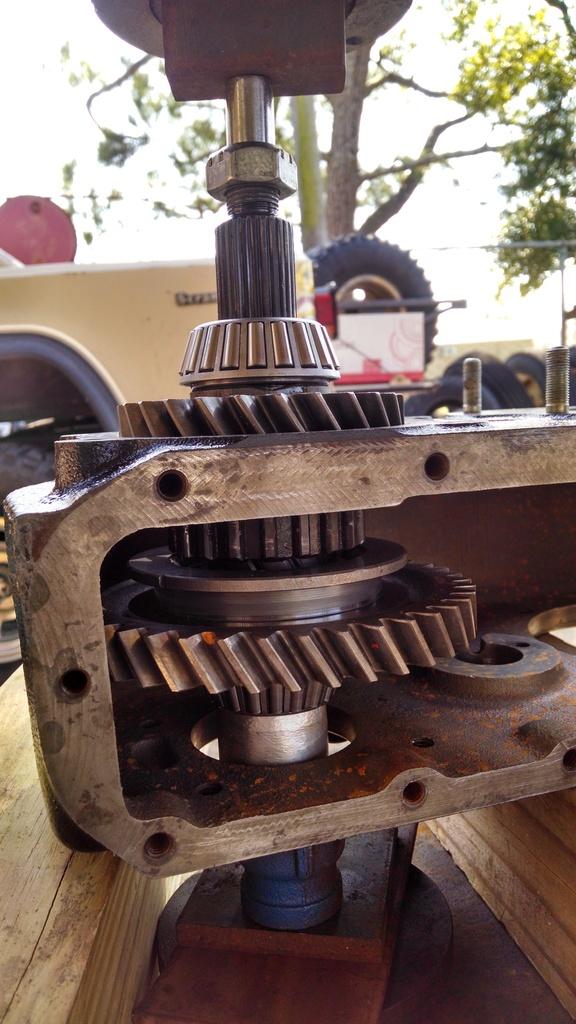
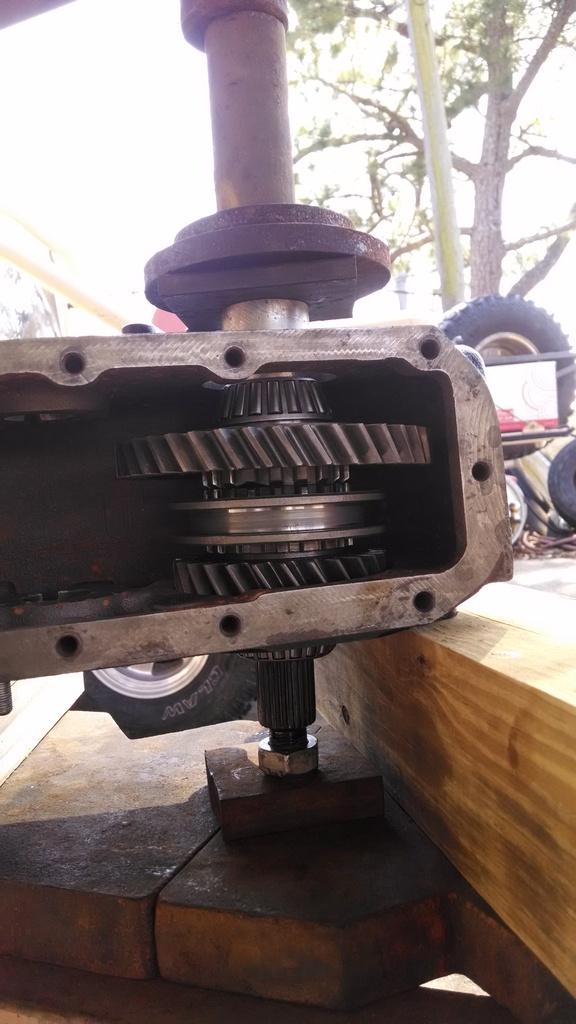
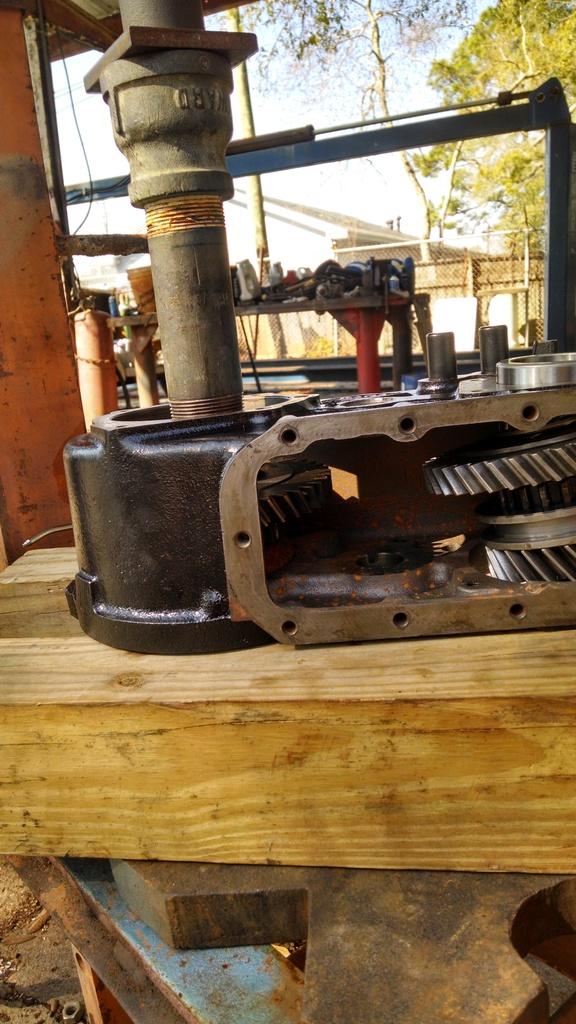

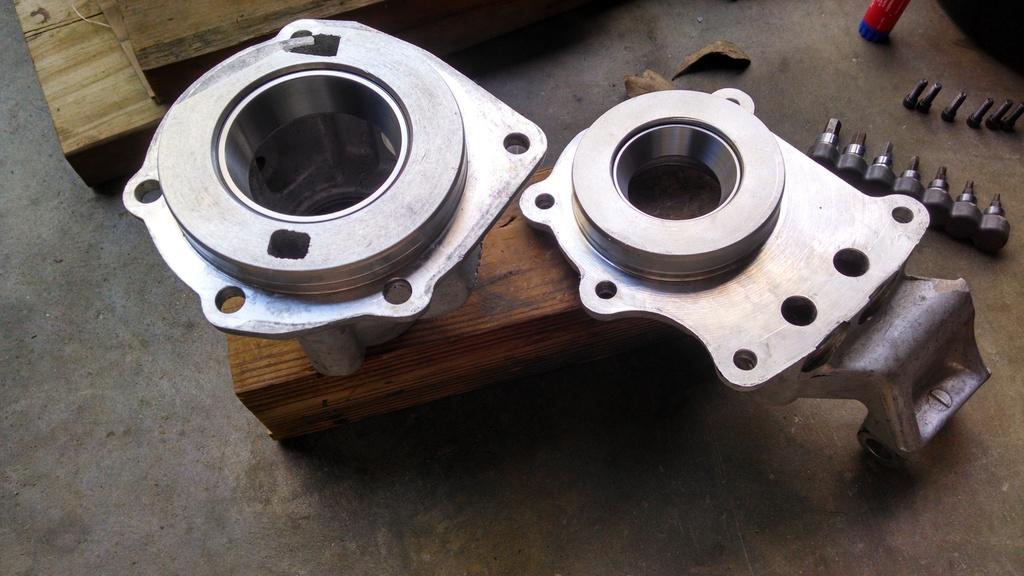
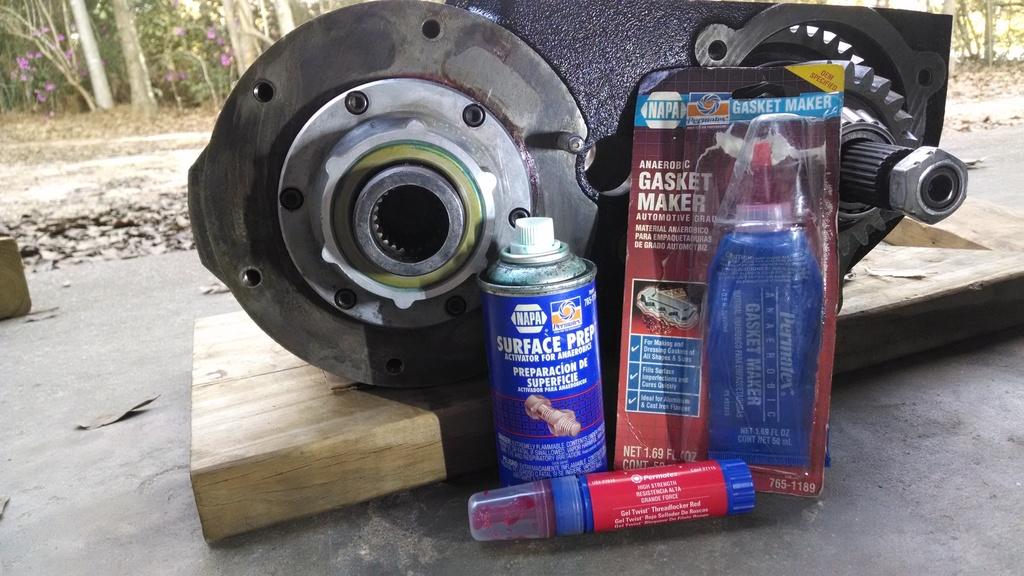
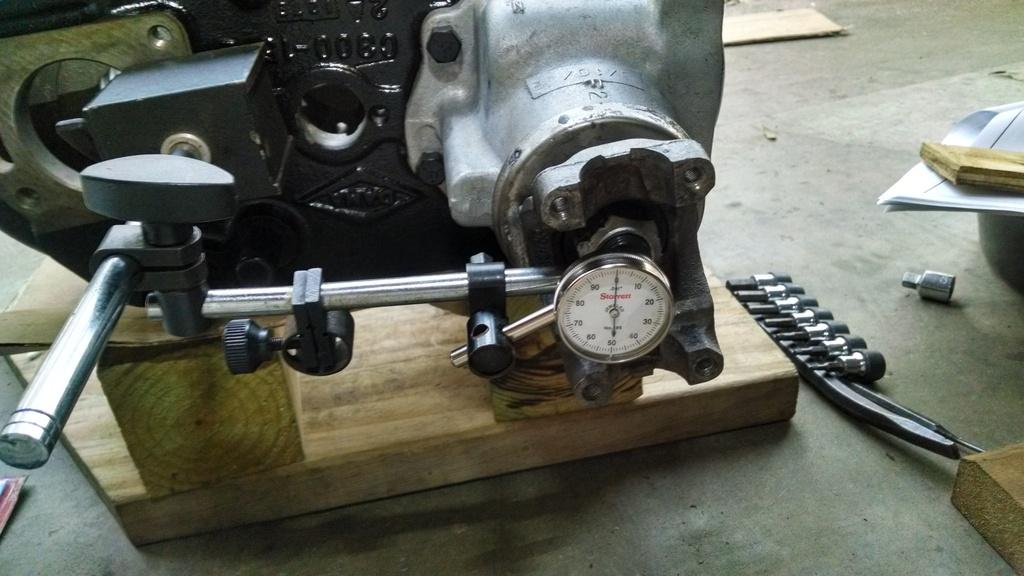
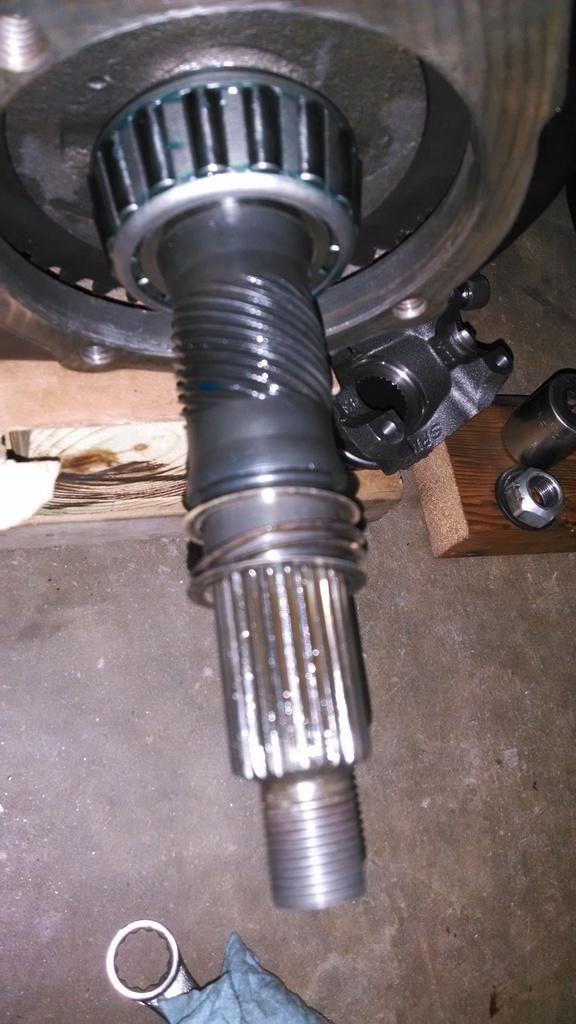
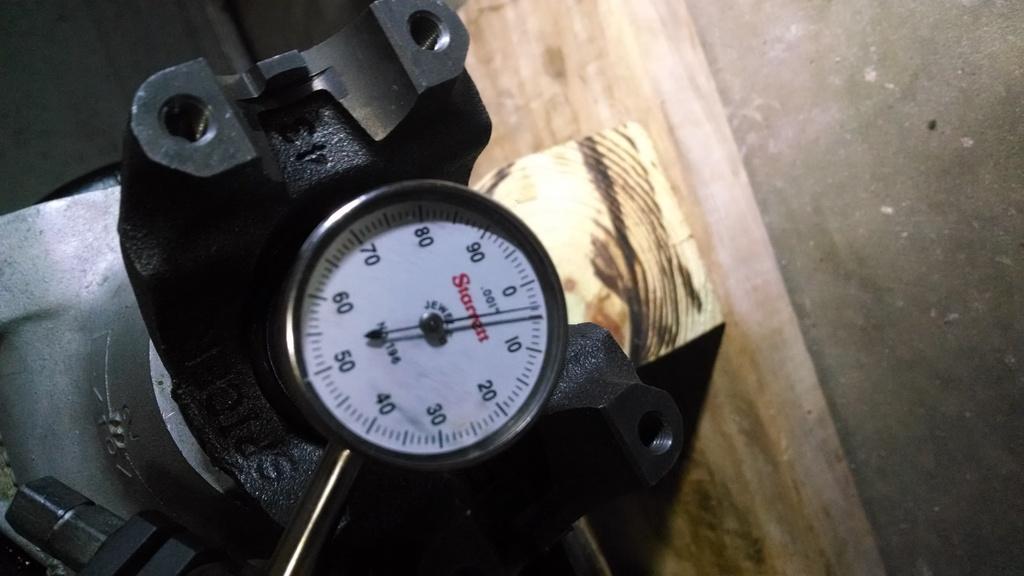
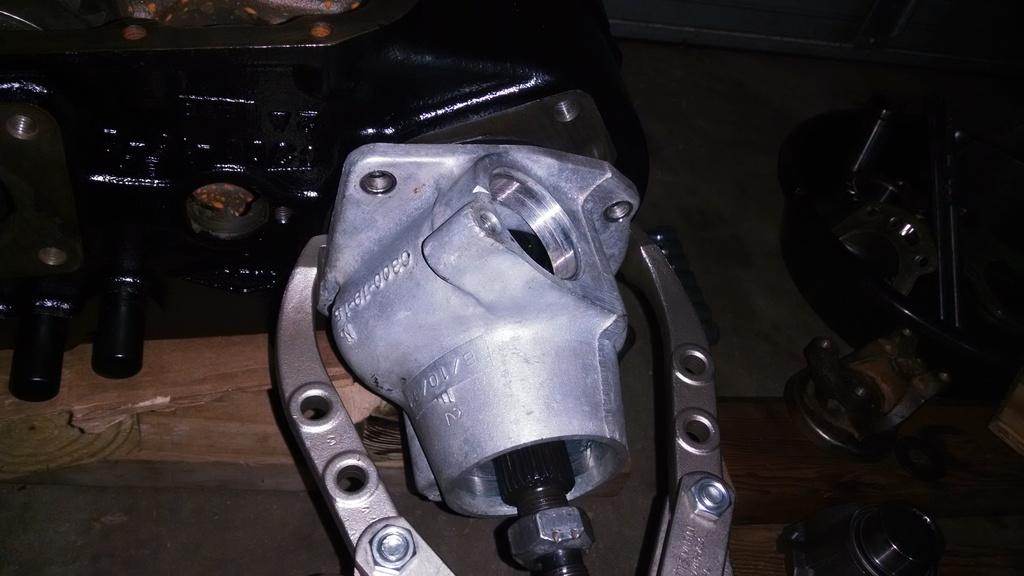
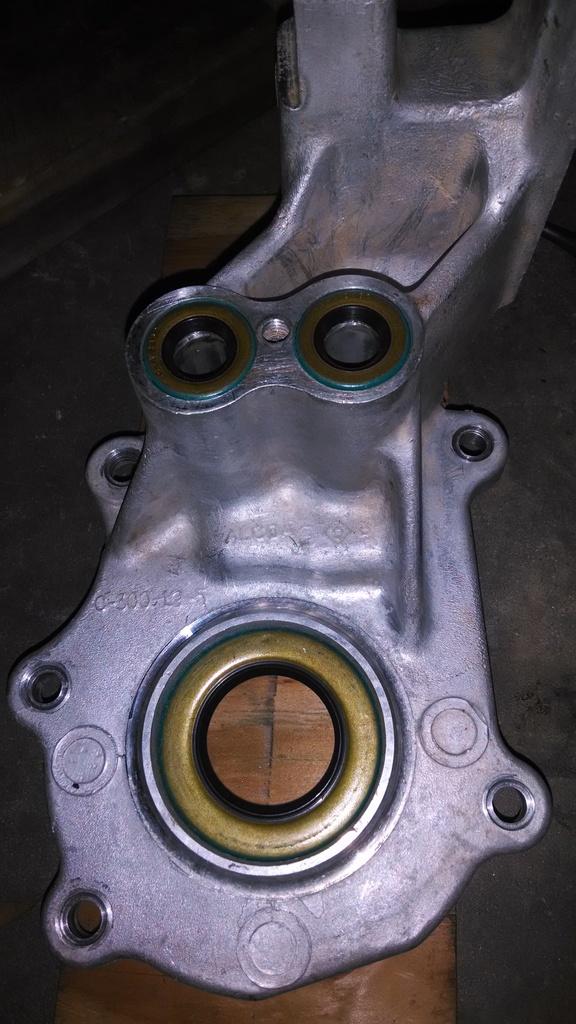
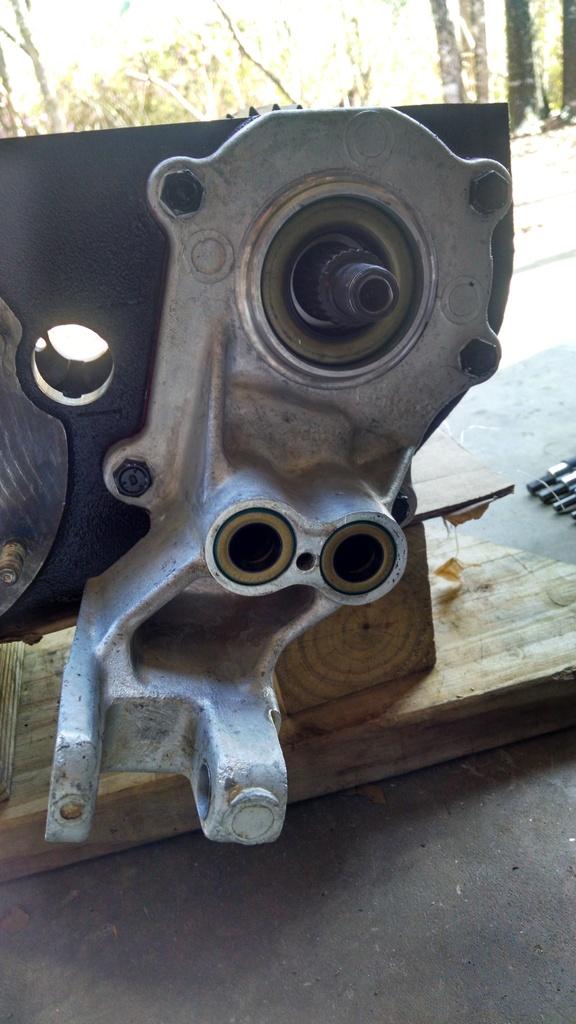
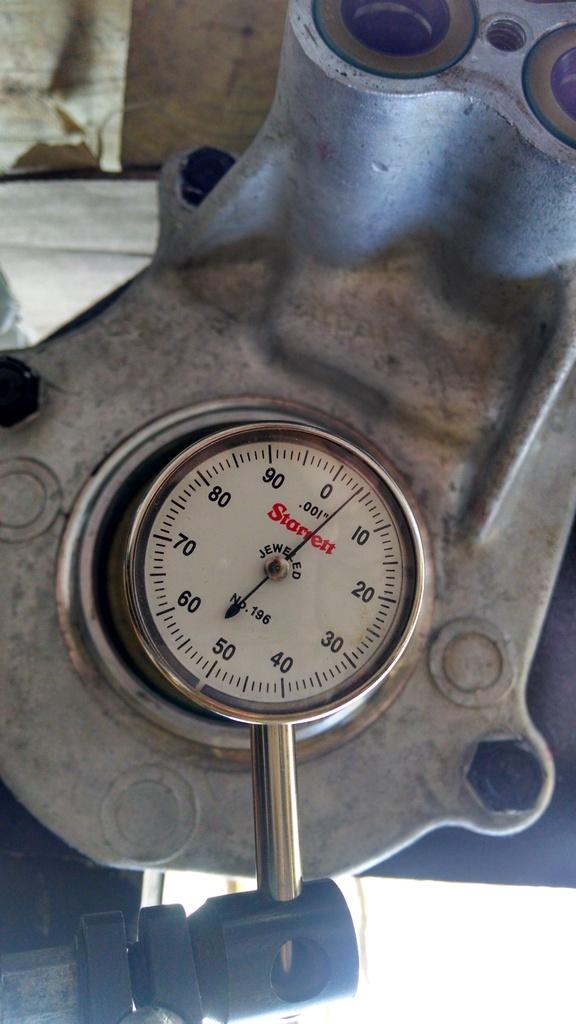
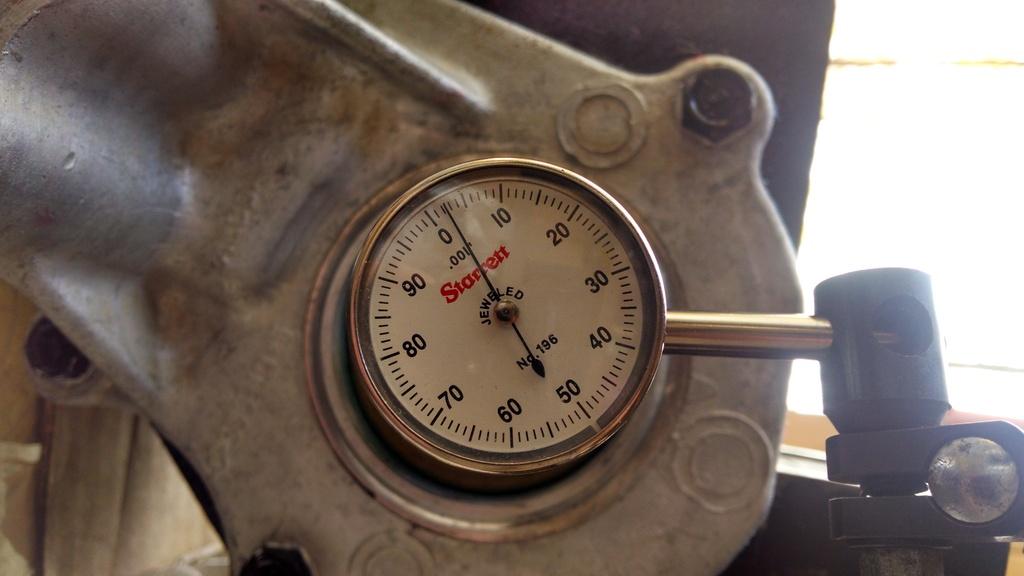
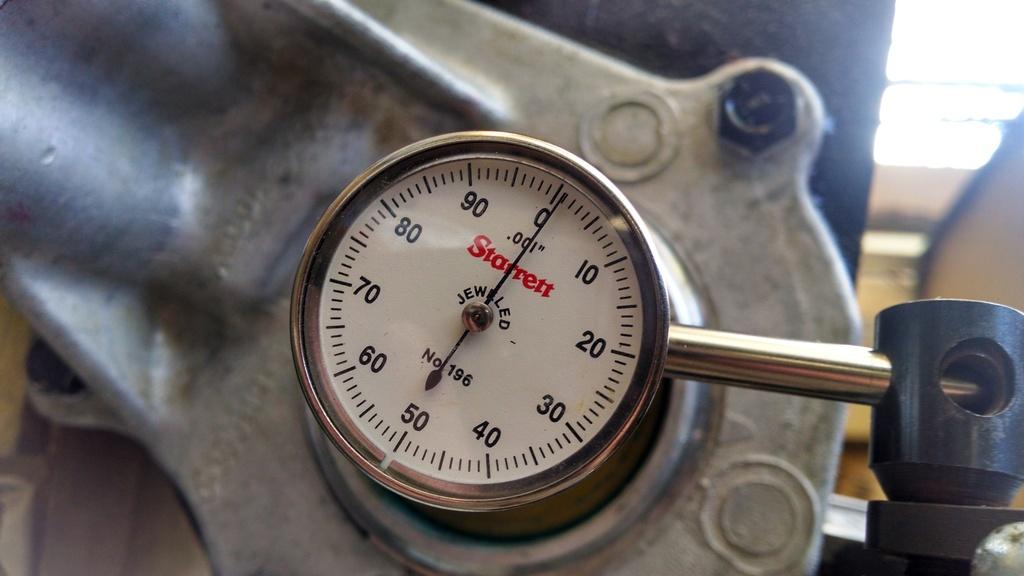
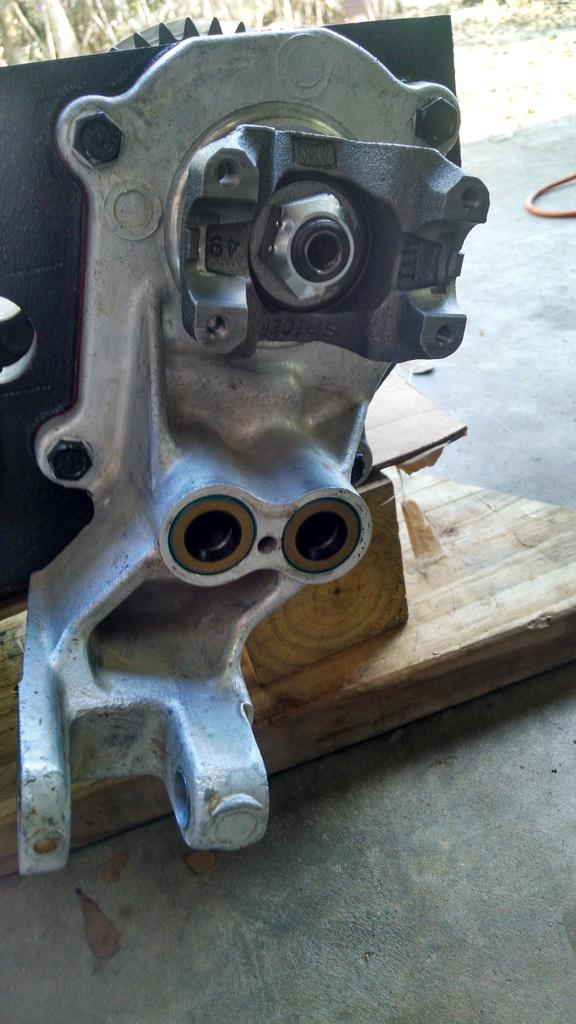
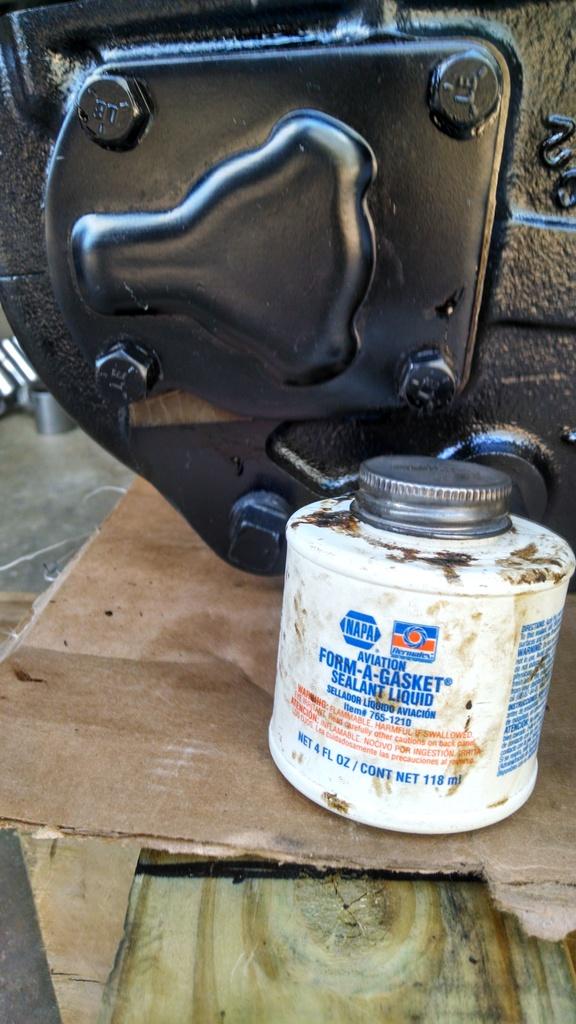
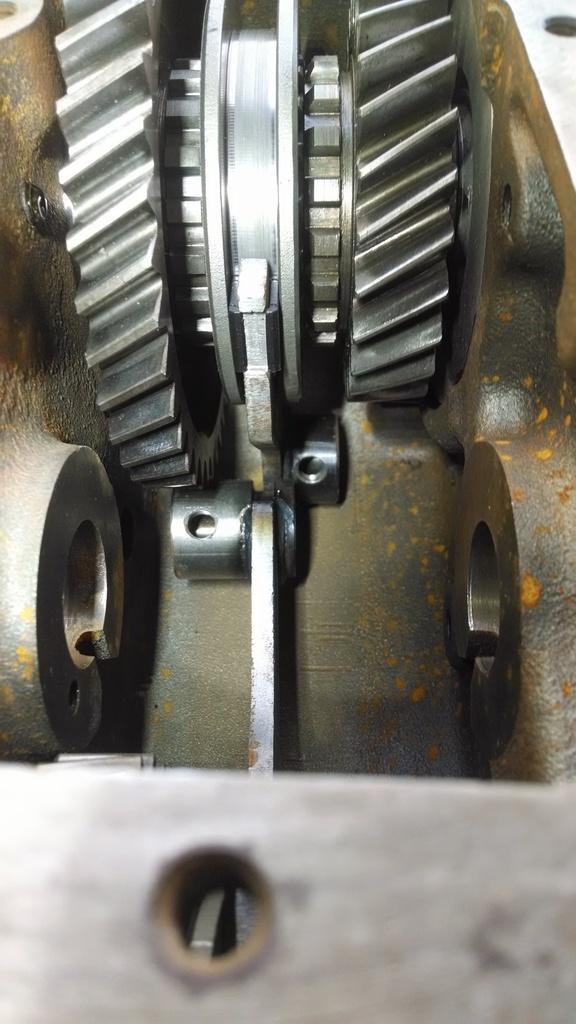
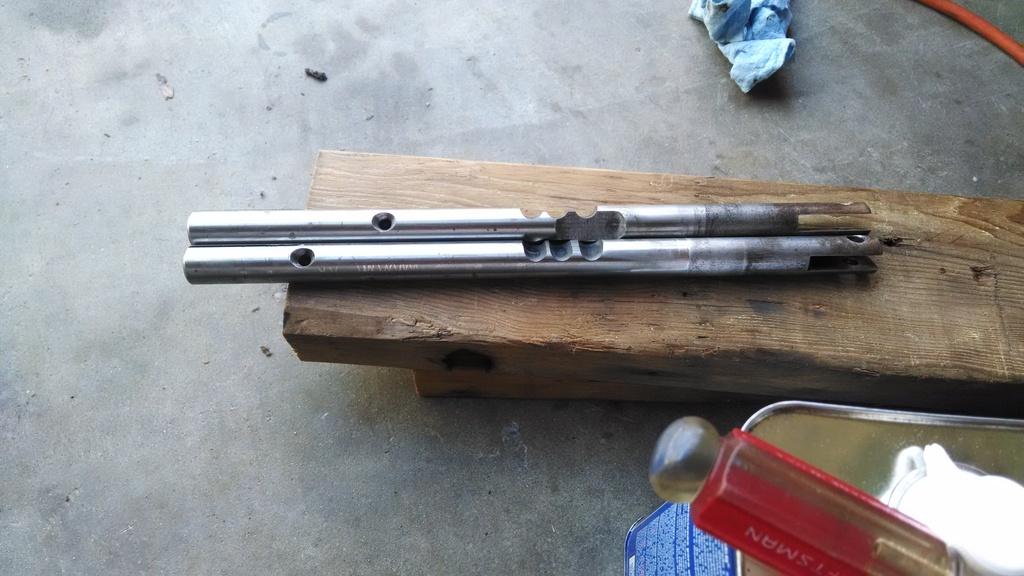
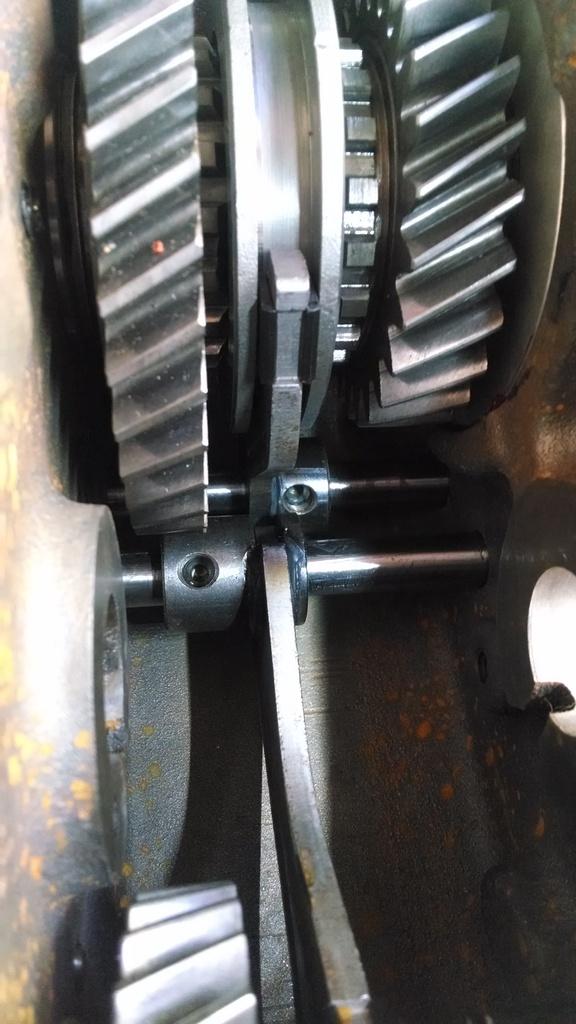
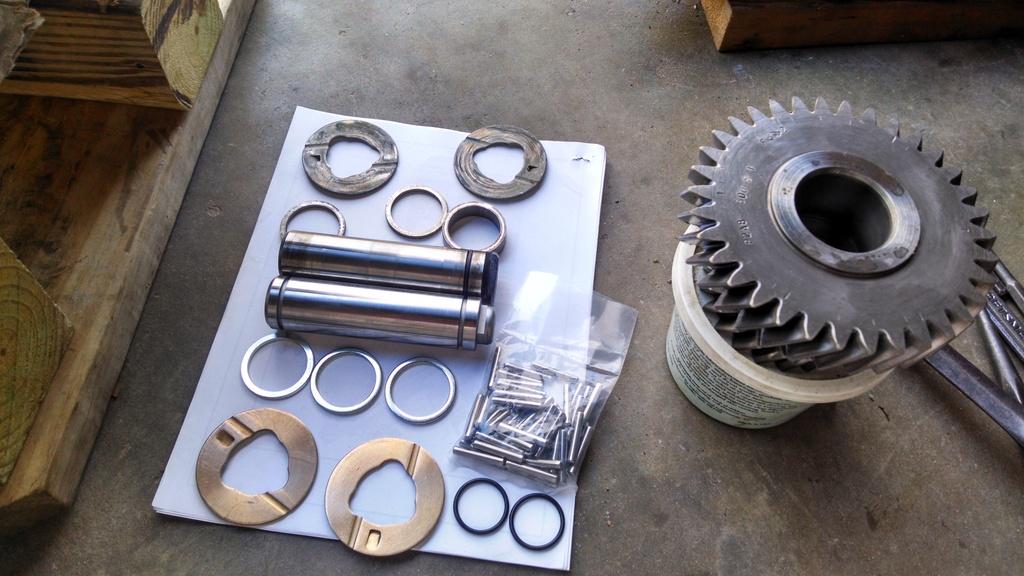
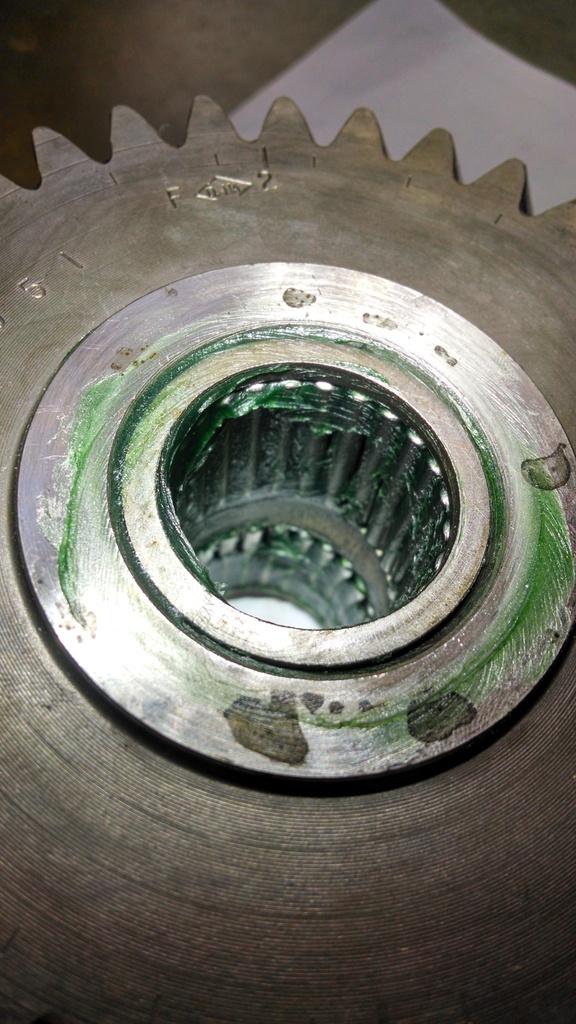
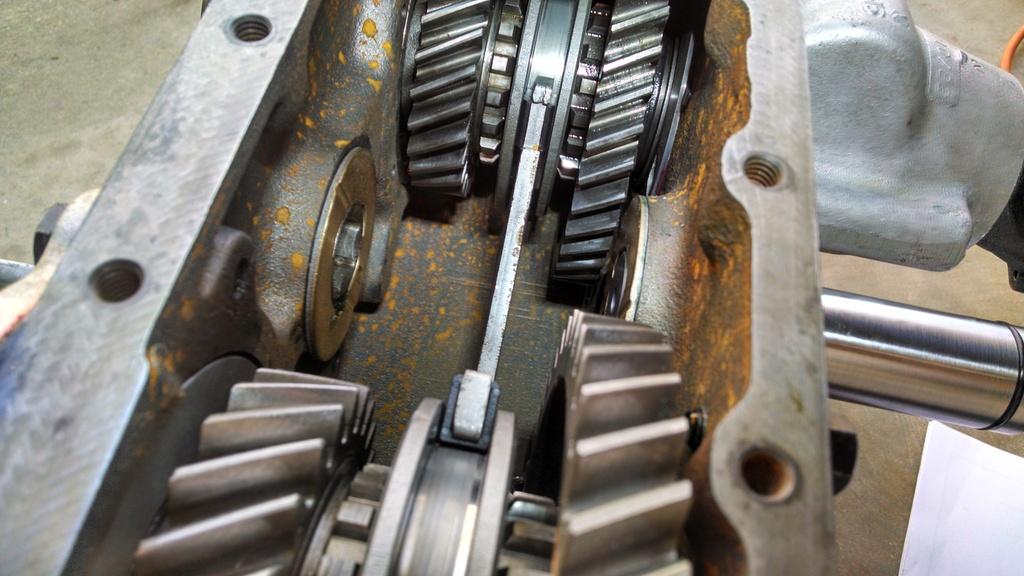
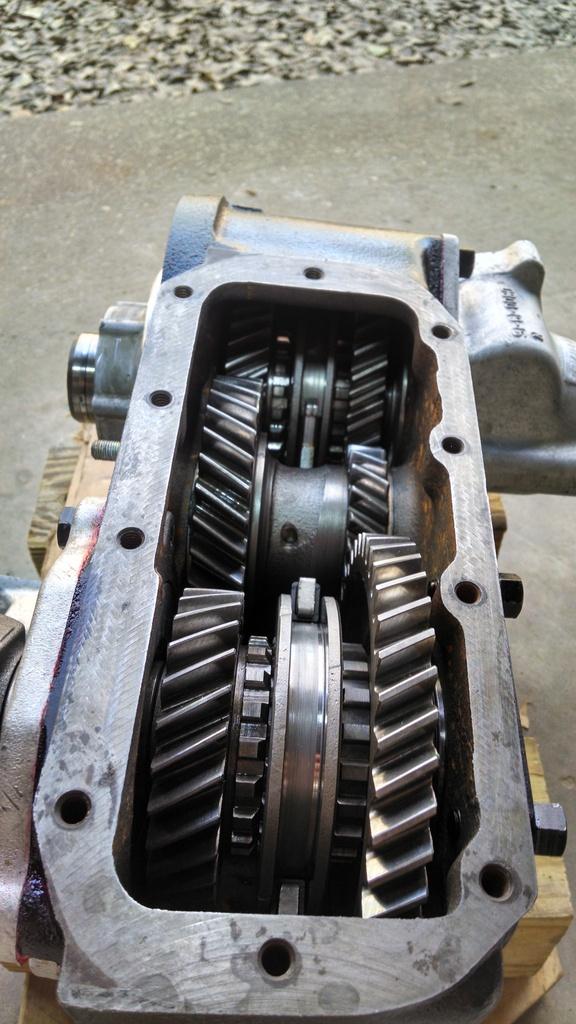
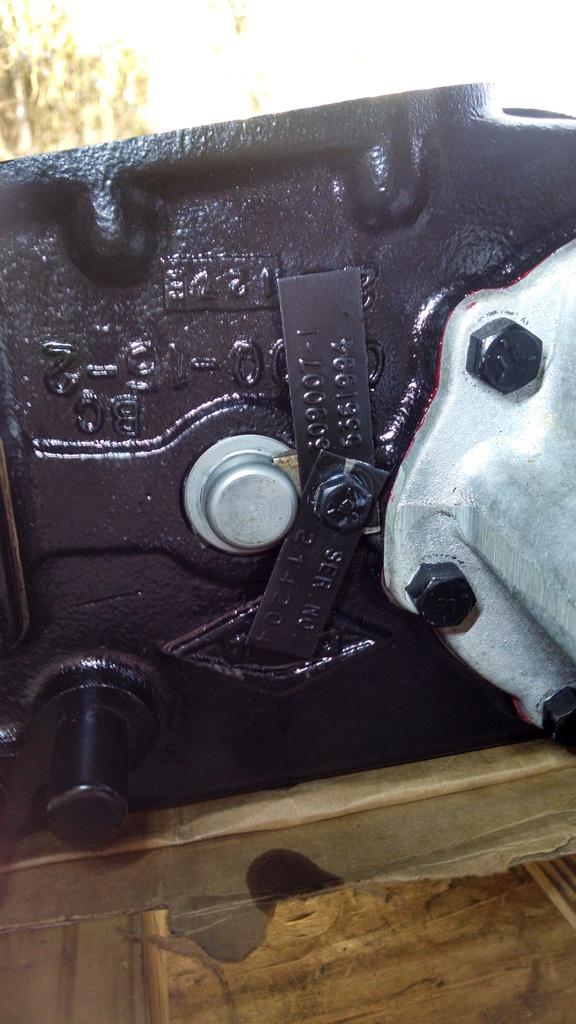
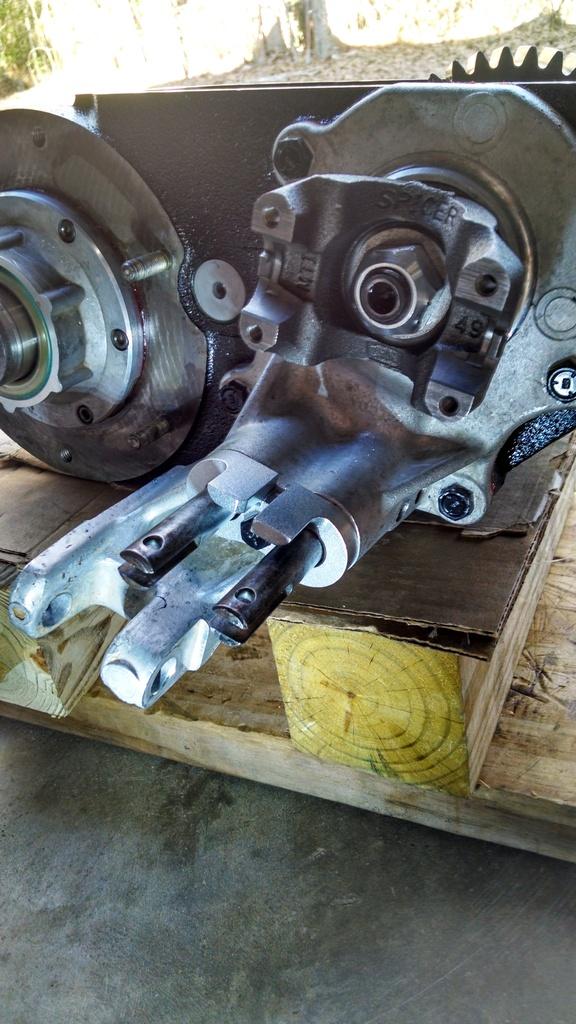
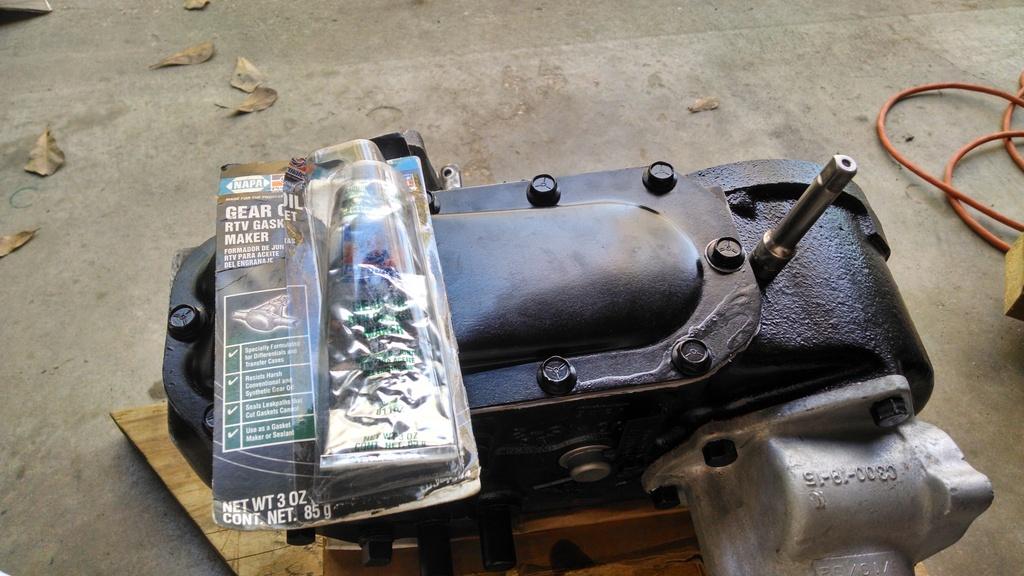
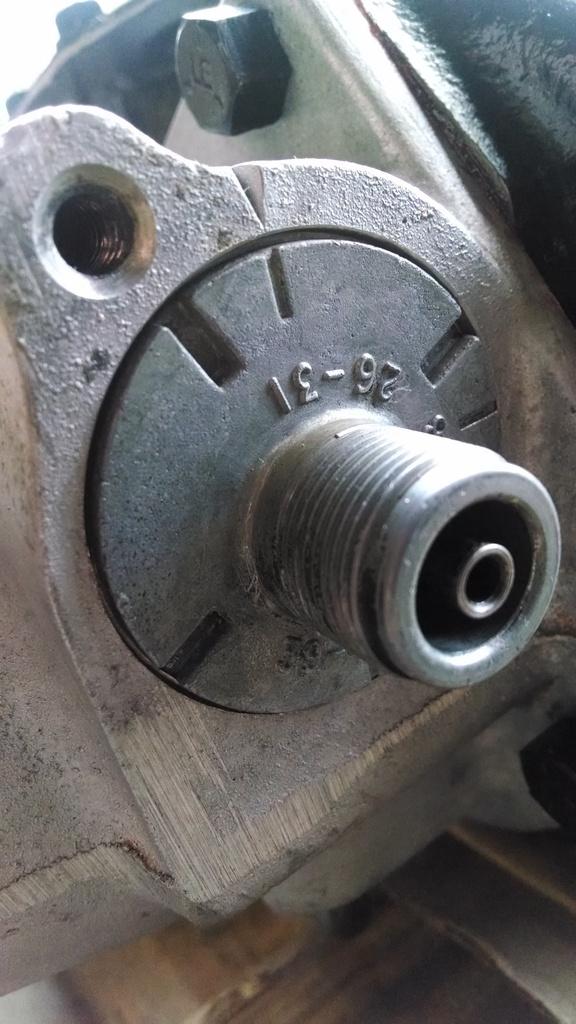
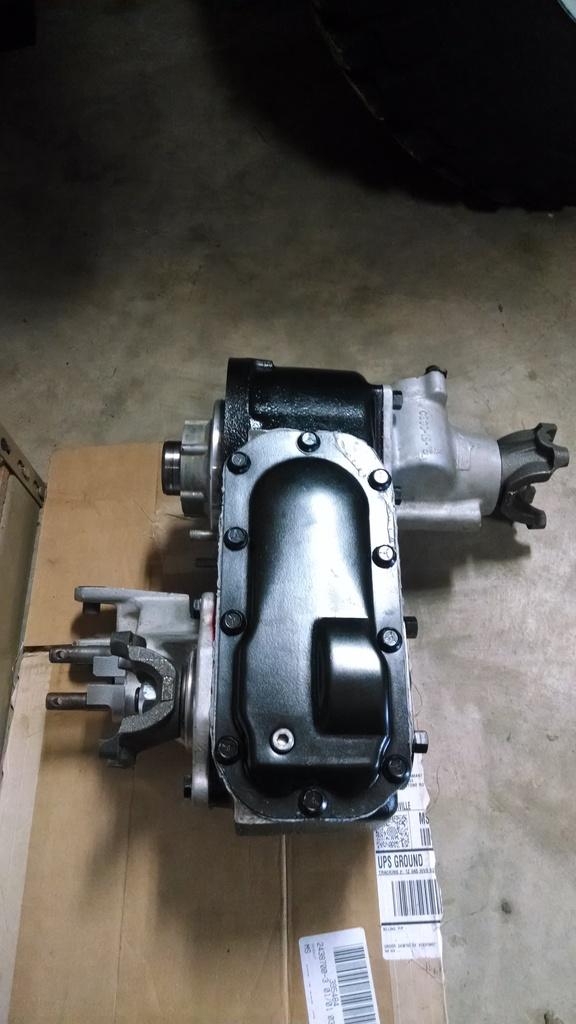

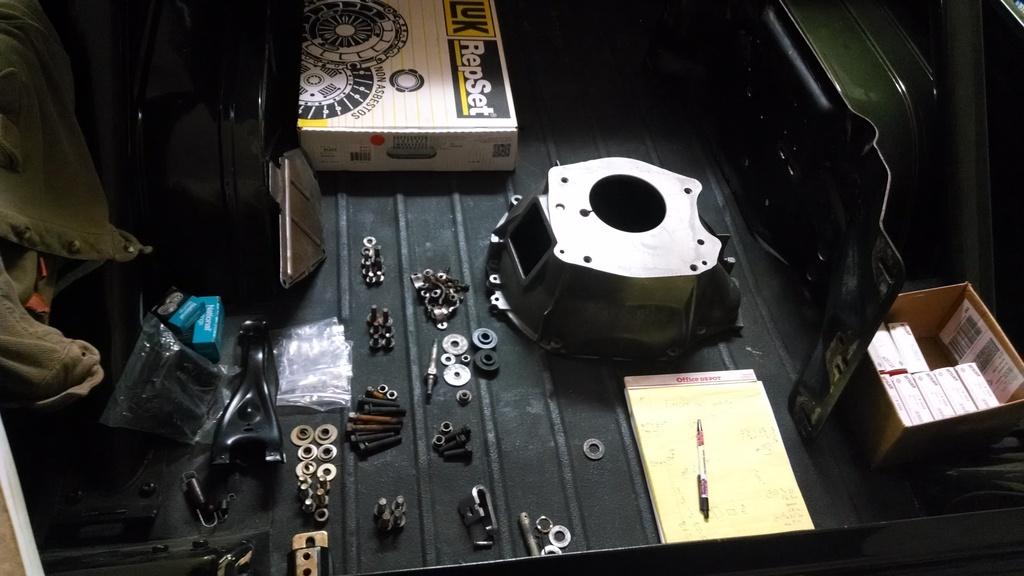


Very similar failure on my end but it was the bearing that welded itself to the input shaft. I made it to within 2 min of JeeperDD's place when it went sure was nice to be heading somewhere that with one phone call pulled a new Transmission and had it waiting in the garage to be swapped when i Limped in.


So, when installing a drawn-cup needle bearing, you always want to press on the end with the part number, because it is hard. If you press on the other end, it could crush down against the needles, and prevent the bearing from rolling.
I'd like to add some information about needle bearings here (I hope it's not too late):
View attachment 58043
This is called a drawn-cup needle bearing. It starts out as a drawn cylindrical sleeve (like DOM tubing), then one end is curled under to support the rolling elements (needles). At that point, the curled end is usually stamped with a part number, then flame hardened (you can usually see the hardening line about 1/8" high around the base).
Once this "cup" is formed, the rolling elements are placed in, and the un-hardened edge is curled over to keep it all together. This edge is not hardened, because the heat could affect the integrity of the rolling elements and the retainer.
So, when installing a drawn-cup needle bearing, you always want to press on the end with the part number, because it is hard. If you press on the other end, it could crush down against the needles, and prevent the bearing from rolling.
Unfortunately, I don't see any part numbers in this photo, and the end of the bearing which I'd expect to be somewhat round, has been pressed flat.
This doesn't mean the bearing is ruined... but if possible, you should stick your pinky in there and make sure the needles are free to move.
I hope I'm wrong!
That is some really good information.
Hope it's okay.
That's a good well unknown by many piece of info right there-
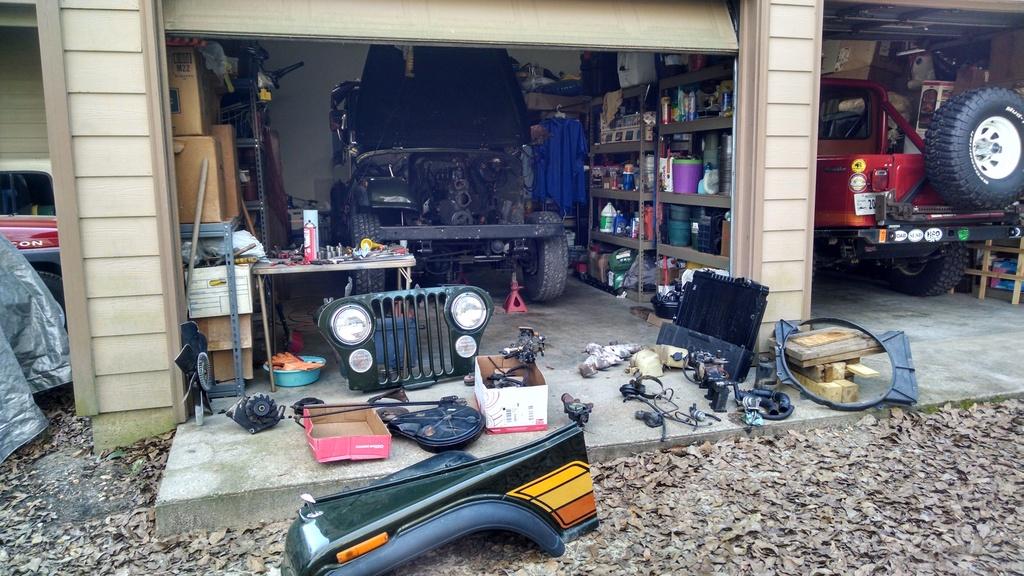
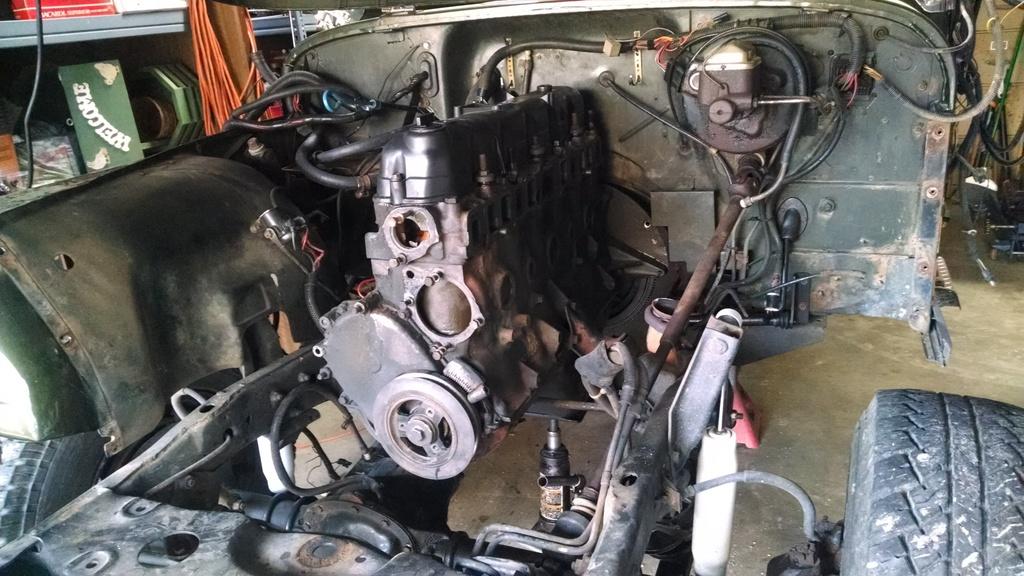
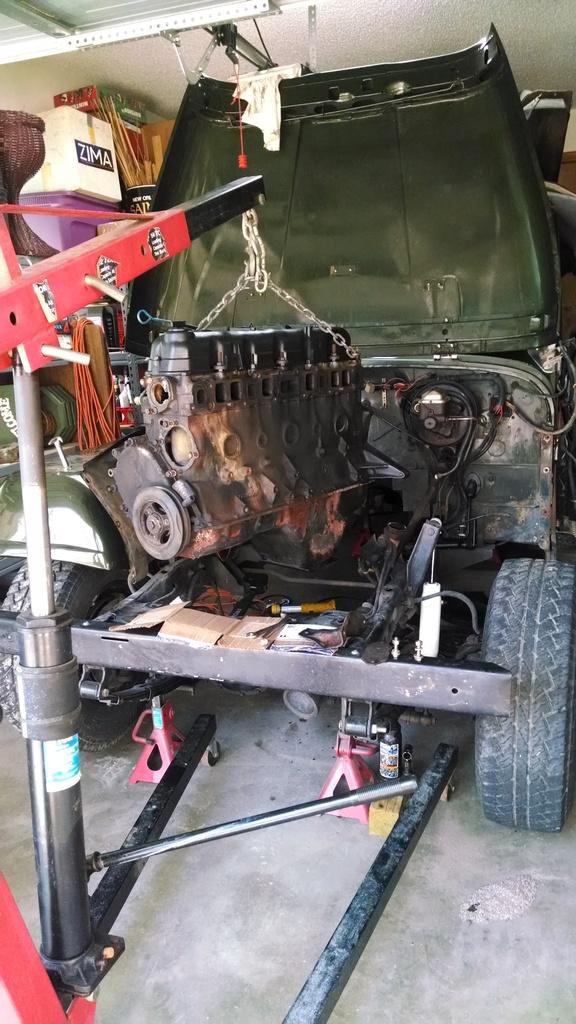
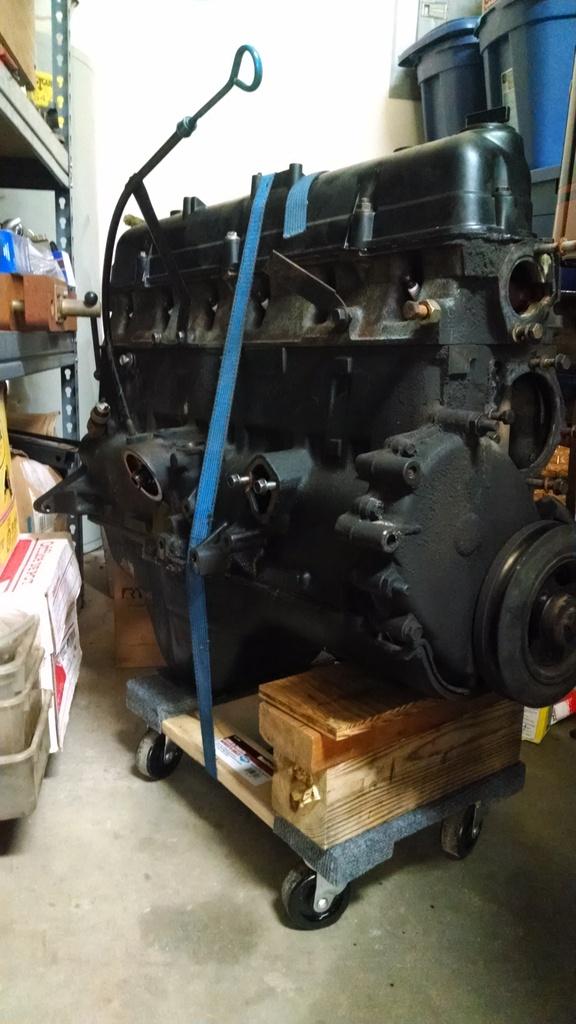


The 258 I rebuilt for my blue jeep ran pretty good before I dug into it also. It just had low oil pressure, no knocking or anything wierd. Upon disassembly I found 2 broken piston rings, a cracked piston and a burnt valve. Not to mention a ridiculous amount of wear on everything. My friend was with me the last time it drove and didn't believe me at first that it was the same engine because of how bad it looked internally. When I first got the jeep it did run and drive, but was very rough. I did drive it home and found that the plug wires were in the right order on the cap, just going counter clockwise instead! I don't think more than 2 cylinders actually fired at the right time. But it did run. Once I switched them around it ran great. I really didn't expect it to be that bad when I pulled it apart. Sorry for the rambling, I am just amazed at what these engines can go through and still run.
Not sure about this engine's internals, it is still assembled sitting in the corner. I am going to hang on to it as a spare, hopefully re-buildable core. It still ran fine when pulled, just low oil pressure at idle, wierd sound every once in awhile. I never even checked the compression Love that green


