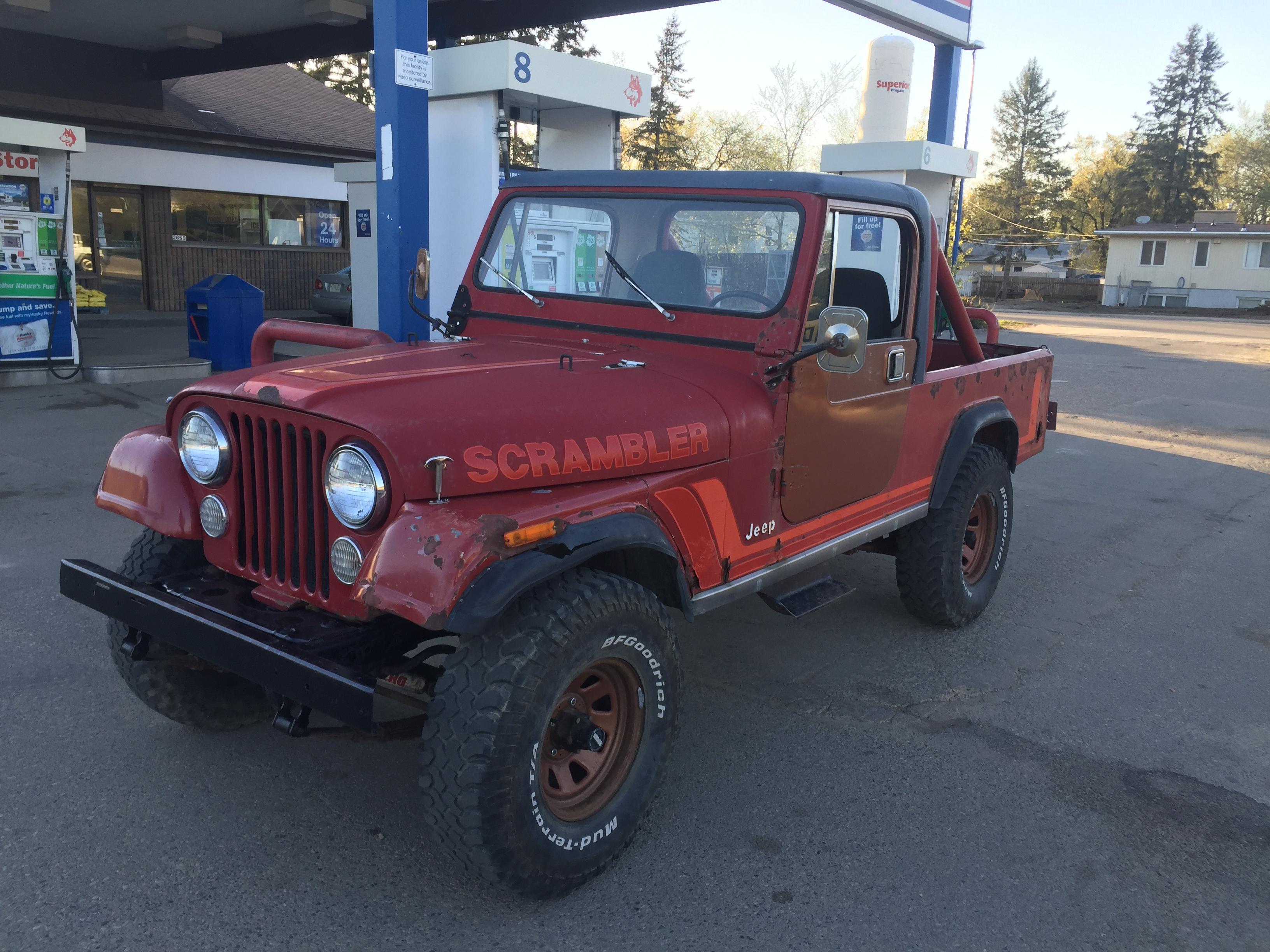
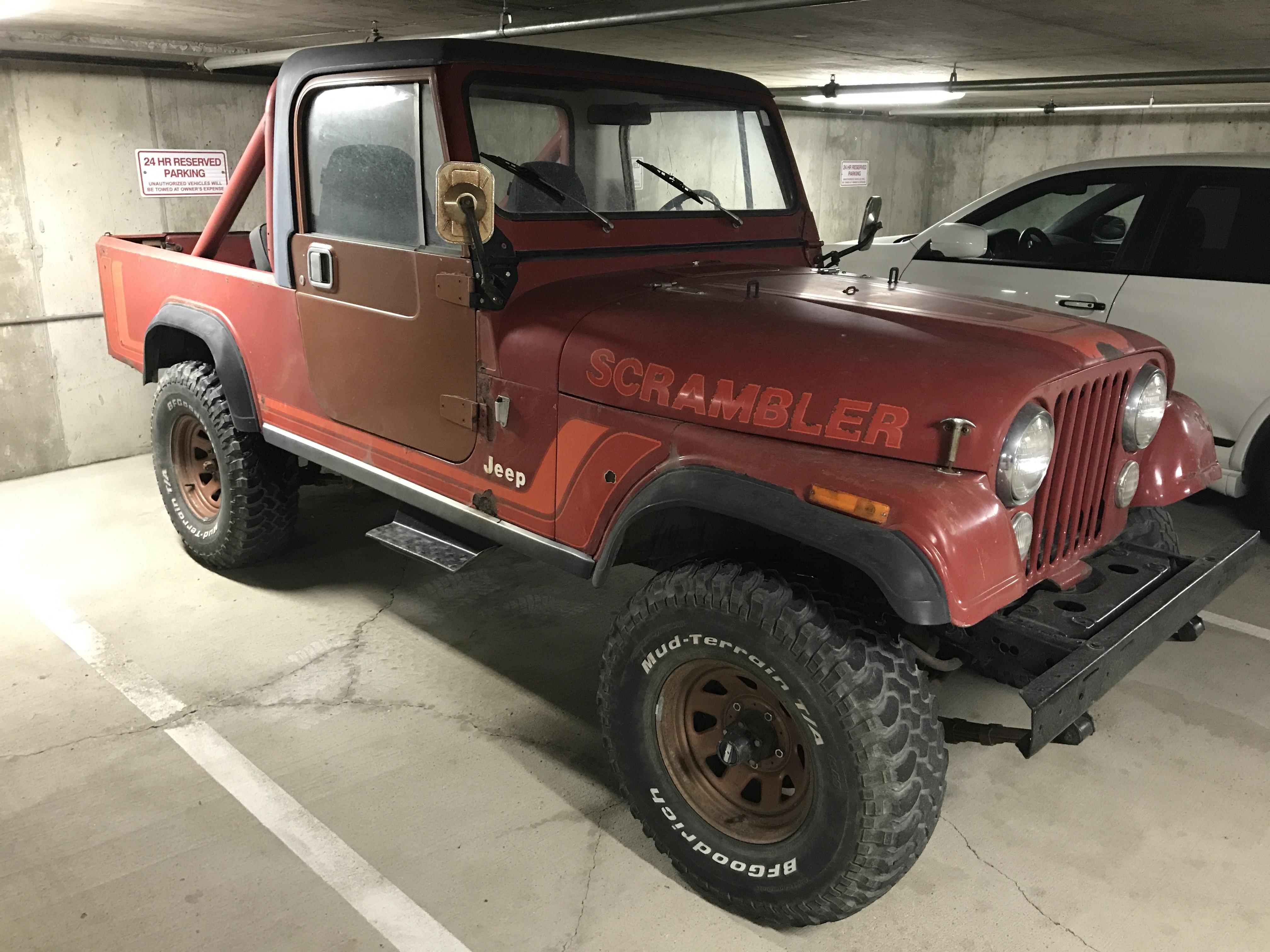
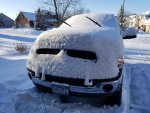
Here's the list of items I had to repair for it to pass the provincial (state) safety inspection before I could get it registered:
- repair horn
- repair emergency brake cable(s)
- repair parking brake
- replace windshield
- patch/repair driver's side floor
- repair exhaust leak at muffler
- all linkage joints have play (reconnect tie rod ends and pitman arm)
Here's what I ended up doing to it before I could safely drive it:
- replaced windshield
- repaired driver's side floor by removing rotted steel and welding in and finishing new steel
- repaired horn by replacing missing/broken parts
- repaired and replaced seized emergency brake cable(s) so that the parking brake works as required
- replaced exhaust pipe, muffler and tail pipe with new custom built system (exhaust system)
- replaced radiator (this wasn't on the inspection check list but we noticed that the neck had been sealed previously with J-B Weld and it wasn't holding adequately, so we replaced the radiator)
- replaced steering shaft coupler
All in all, it was fun getting it on the road again, however, in extreme cold, the manual was very difficult to shift and we replaced the fluids in the transmission and that seemed to help a bit. Driving an old school 4x4 on ice covered roads reminds me of learning to drive in the winter with military vehicles. It's not too difficult but you have to stay focused and leave plenty of room to slide before an eventual stop.
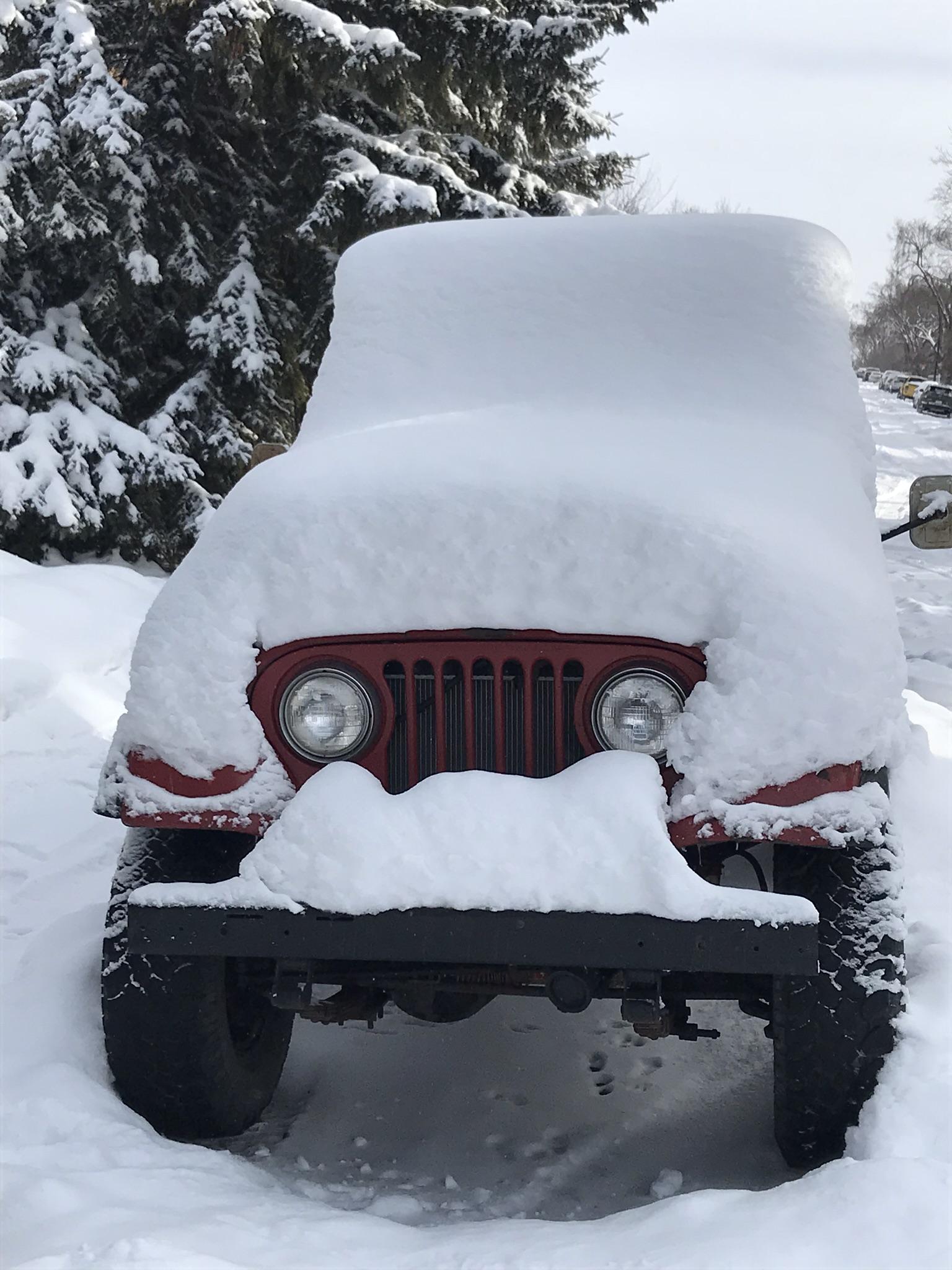
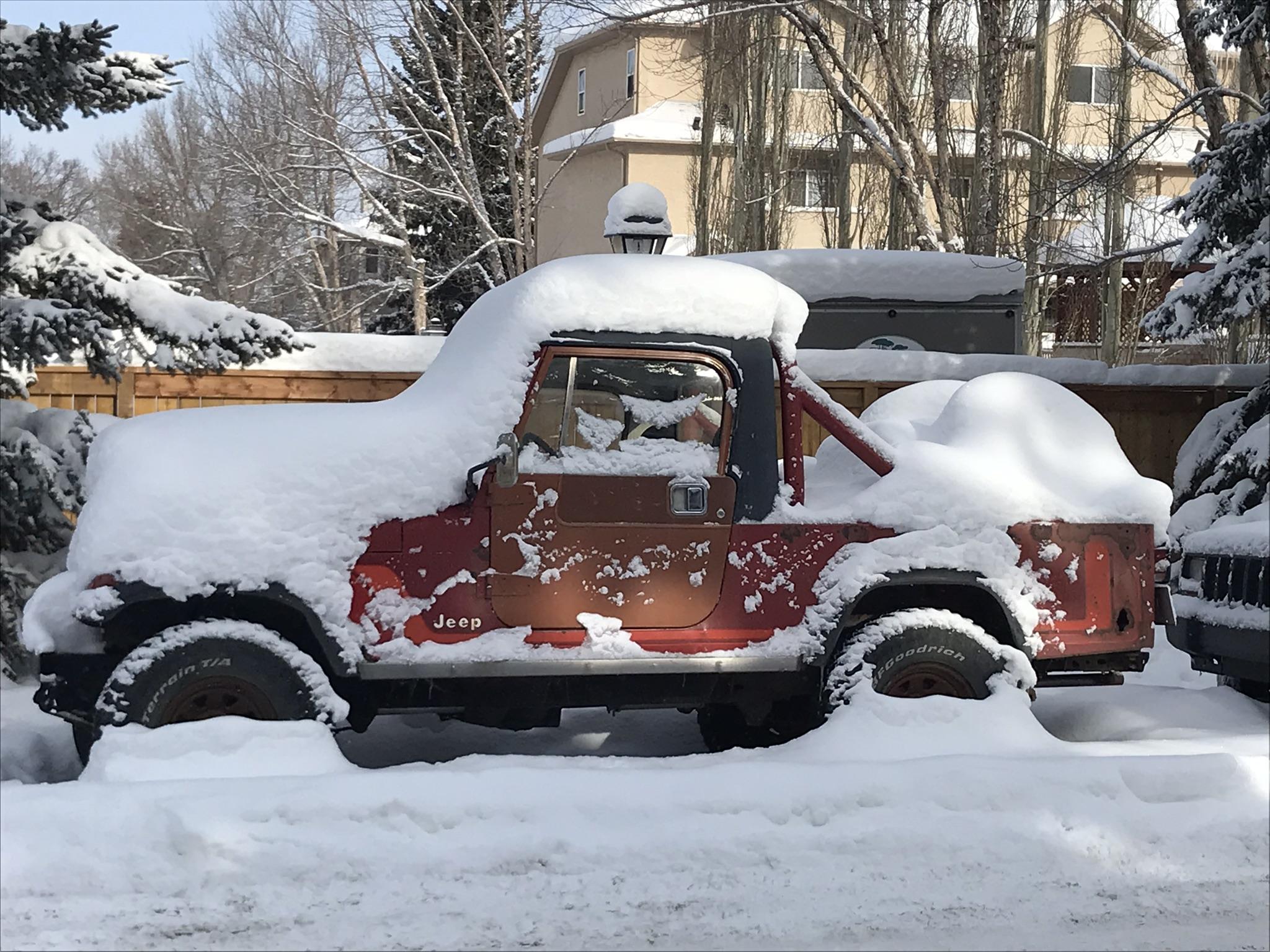
Once the weather warms up, maybe in a few weeks, it's currently 8° F (-14°C) and snowing here in Calgary, I expect I'll start wearing down wire wheels on my grinder and going through a gross of POR-15 to stop the rust from getting worse and properly assess the tub. I'd like to replace it with an Aqualu tub at some point but in the meantime, I'd like to continue using it while I'm working on it. Fortunately, I'm up on my tetanus booster...