
- City
- Biloxi
- State
- MS
That stinks dude [emoji53]
Its all good in the hood, only took about 1/2 hour to swap pumps, and it made it home on an old used pump, so all in all, meh




That stinks dude [emoji53]
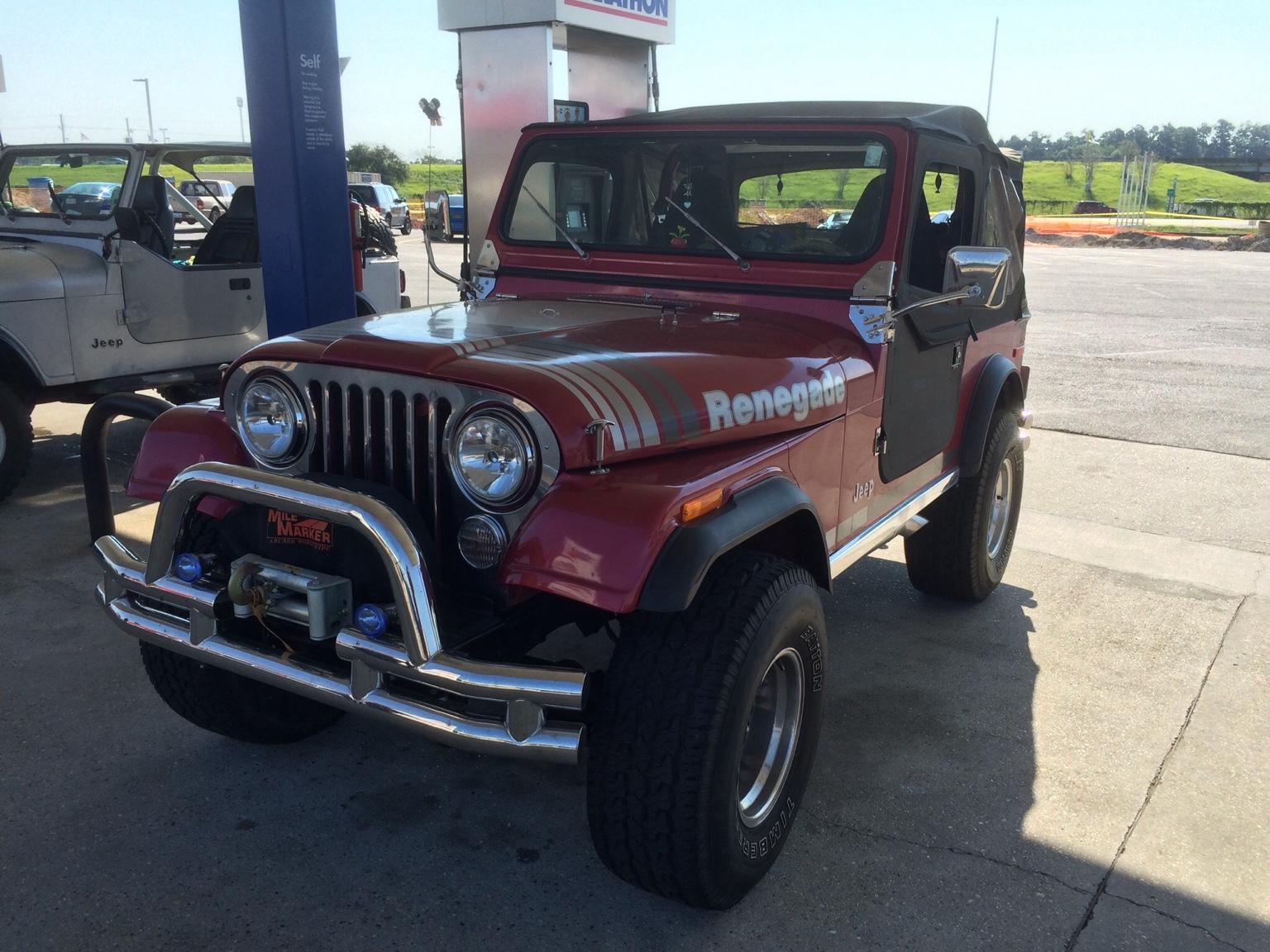
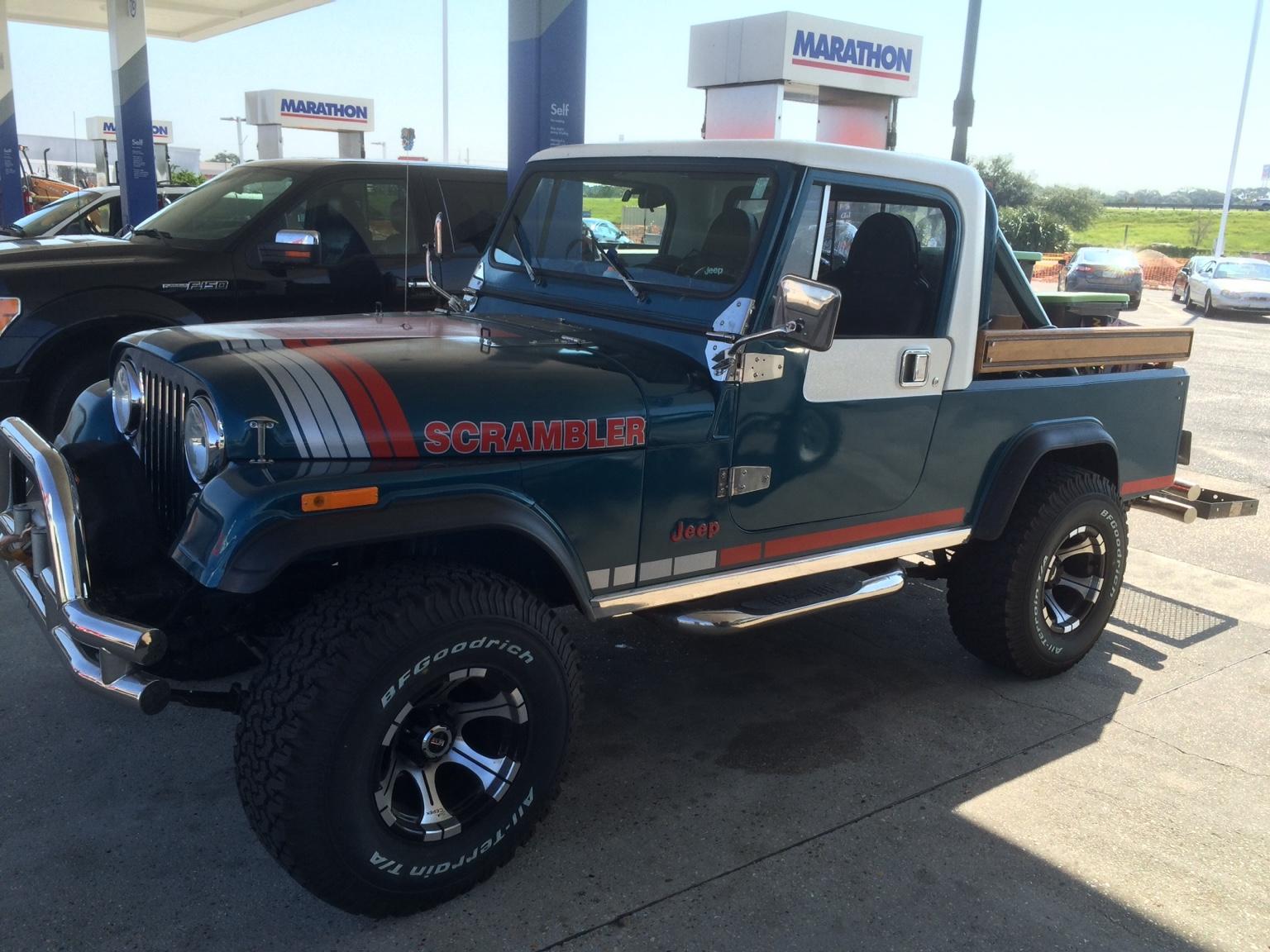 . I did end up seeing a CJ8 & also CJ7 along the road at a gas station
Sent from my iPad
Right never run below 1/4 tank with in tank pump other wise you will burn up the pump from over heating. My buddy has replaced many Cherokee pumps for that reason
Sent from my iPad


This is why I decided to go with a pump inside the tank so I wouldn't have to worry about overheating. I even go as far as refueling at 1/4 tank so the fuel pump is always in the fuel.
 If I would have know that old pump was going to work that well, I probably would have kept heading north

I "might" be able to slightly lower the pump, but not by much. I could probably hang it below the cross member, but that would be a slight drop, might be worth it


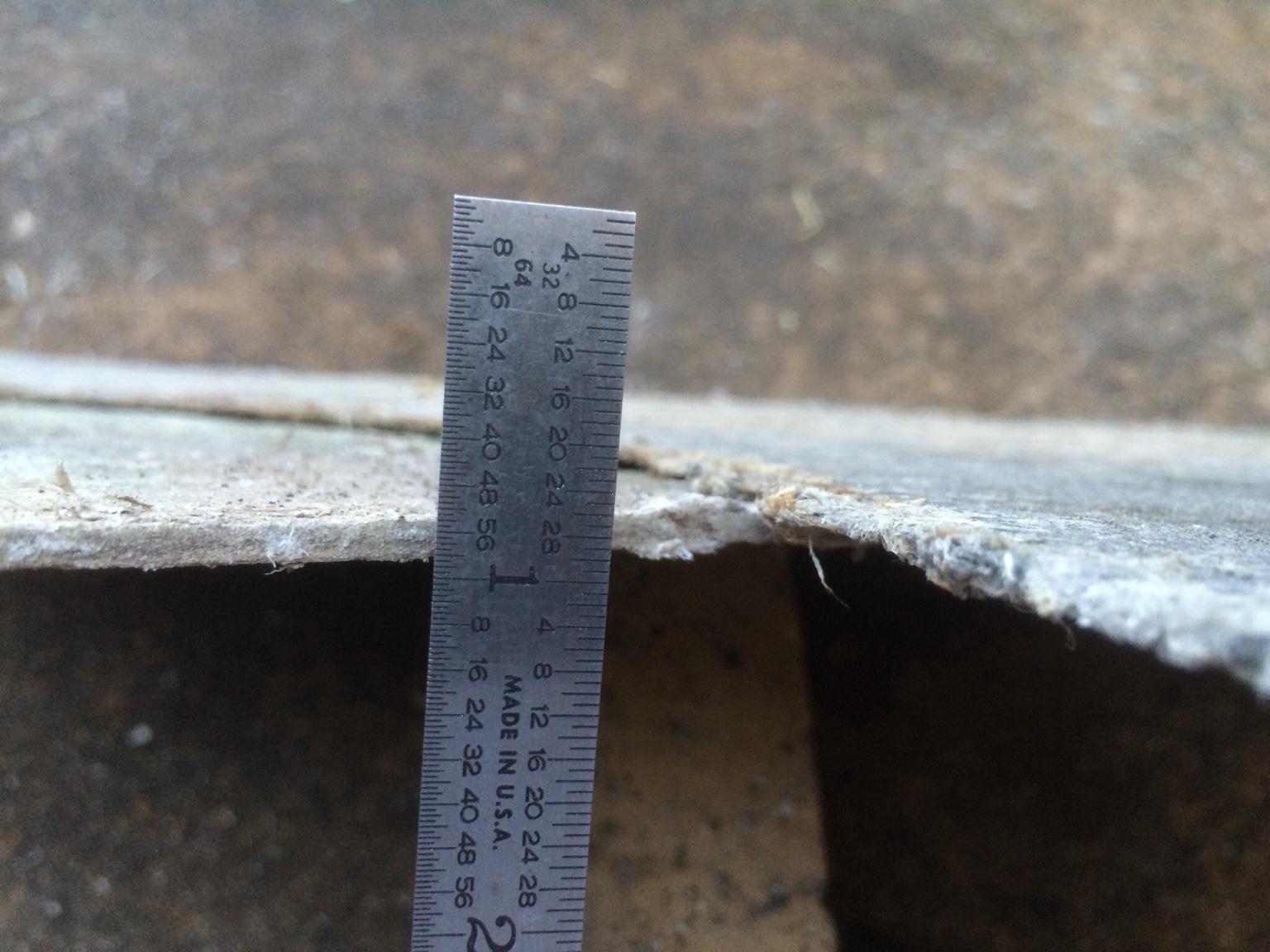
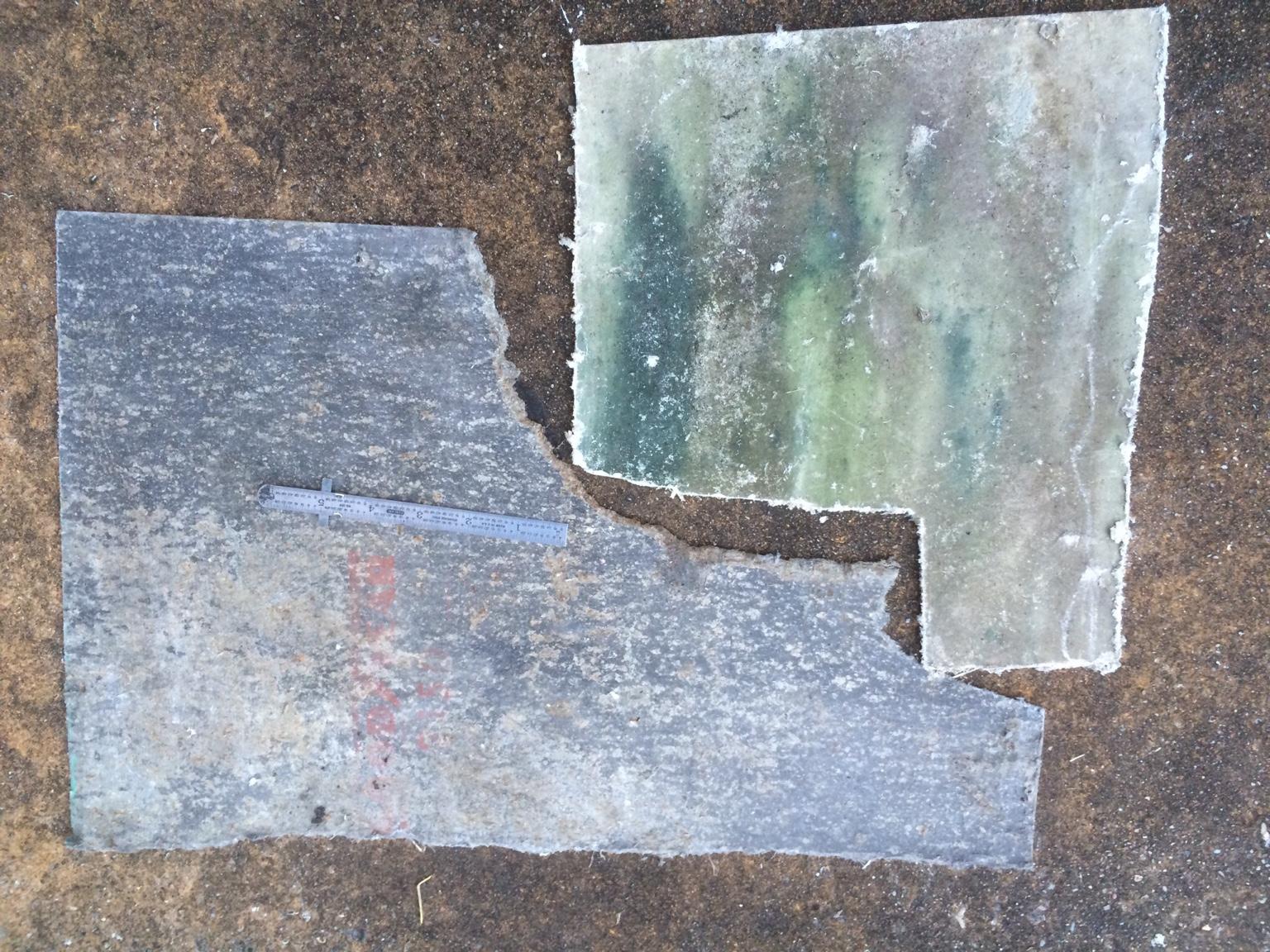
I think some where in this discussion it was brought up to make sure return and pickup are separated in tank so it does not pickup the hot fuel??? Mine with the same setup did have a spacer but I am sure it was aluminum. It also had a turbo city bored out throttle body and cop car injectors. Fuel pump mounted on the side of the tank (on the brace for the skid plate). I did not run down the hiway like you do but all day running trails in hundred degree heat should have heated things up. Never had any issues. A friend of mine had a flawed return line that would swell internally and slow returning fuel and cause issues. Took forever to figure that one out!!


How many fuel pumps have you replaced in that LJ or the old TJ? You would drive those across the world without thinking that you would have to drop the fuel tank along the way so I'm missing your logic-
Sent from my SM-G920V
So, if I have to use cr-ppy parts, I at least want them to be easily changed when they fail  Fuel pump is always cool to the touch
. That is sure baffling. If you want to make your own I have some material you could use. I used I think the thicker material for my weber carb maybe 20 years ago. Didn't have the heat problem like you. My problem was air leaking between base and carb. Not sure but it is some type of industrial gasket material.
Sent from my iPad
I ordered the Holley gasket, should get it today. I have to be careful spacing up the TB, too much vertical movement will upset the TV cable, and it will have to be modified/adjusted, or I risk burning up the transmission
I only recall the big blocks having the thick spacer.
With the pump quality, put an OEM pump in it if you would be that worried about it. Walboro also makes a quality pump too.
So if you were losing fuel pressure, wouldn't you look close at the fuel pump. It's obviously cavitating causing the lack in pressure.
Sent from my SM-G920V

Not sure I can still find an OEM pump for a GM TBI set up, they haven't been built in over 20 something years
I am actually thinking about temporarily installing my fuel pressure testing gauge in the cab to monitor the pressure. But, I am pretty sure the pressure drops off when I have problems, no doubt about that. But, might be interesting to see if the pressure is slowly bleeding off with time until it hits a critical point.
My fuel pump is cool, the TB is boiling hot. I am "assuming" the heat transfer to the fuel is occurring at the TB, not the pump. This TB transferred heat is causing the fuel to heat, causing it to vaporize, causing the pump to cavitate.

I have LOTS of Walboro pumps out there running still that I have installed over 13 years ago. One of them is in a Volvo that is currently on a 2500 mile road trip. Put either a Walboro or a AC Delco pump in and go down the road. Yes, occasionally there is issues but ususlly it's because of installation issues or poor wiring/grounding points.
The fuel pressure will gradually drop until it goes exponential loss. What you probably have going on is the fuel is picking up temperature from the engine and heating the fuel from continually returning it to the tank. Add in road temps and elevation to the fuel problems, then you have a failure. After probably 130 degrees, the pump fuel that we have starts to boil/gas off. Because you have an external pump, pulling up a column of fuel is aggravated by the vapor and then it will just stop pulling. It's no different than poking a hole in a soda straw and sucking thru it. You will get fuel thru it but it's aerated. Now that you have a pressure drop in the fuel lines, it has even more of a tendency to boil which is the "exponential" part. The current non-return systems run at about 58psi from the return style 42-45psi. They had to increase the pressure in the lines to keep the fuel from boiling because it is kinda stagnant sitting there picking up heat.
YES....
Like a diesel, where you have a lift pump before the injector pump, although diesel is much better about not boiling off.................
If I can't "beat the heat", minimize its effects with an in tank pump, to reduce cavitation. But, eventually, won't even an in tank pump succumb to the cavitation caused by heated fuel?
If I can get 2-2.5 hours running hard in the heat on the interstate, will the in tank pump give me the extra 1.5 hours I am looking for? I.e., once the fuel heats up to a certain temperature, it realistically won't go much higher? And if it does, the in tank pump should handle it?
Or, and this seems more complicated/potential problems - add a low pressure (5psi) electric fuel pump BEFORE the high pressure pump, to effectively "lift" the fuel to the HP pump? Don't like this, more to go wrong
No...The fuel vapor rises and is released to the tank vent. The pump in the tank will only get fuel.
With the in tank pump, you should be able to drive as long as your bladder will allow. One side effect of the fuel vapors is the stock tank venting is not large enough to deal with a full return system and the excessive vapor. I struggled with mine and ended up putting things together so I have a 3/8" vent. When it was 1/4", I could get home in the summer and get out of the Jeep and hear the tank vent "purging" vapor out the open vent for another 3-5 seconds.
And you're worried about failure of components?
So now you can just imagine what the conditions are like out here in the summer. With outside temps at 115-120 degrees, up to 8% Ethanol in the fuel, and 150-160 degree asphalt temps, Everything is against you out here. Now take the same vehicle adding a trailer, running at 3/4 throttle for 10-15 minutes pulling a hill at 4000 to 6000ft elevation, you get a rude awakening to vapor lock. It's pretty extreme out here and it's definitely not forgiving at all. In other parts of the country, you all can get away with a lot of things that we can not out here.......Not even close.......
This last trip, after having the "hot fuel issue", I loosened the cap, problem still present. Even today, September 27, we are at 85 degrees, 75% humidity, feels like 94  Once the temps get below 90, or I am north of AL/MS/AR, I have never had this issue, even at higher altitudes. It is definitely a product of heat. I could drive 4 hours straight across South Dakota, at the end of June, 85-90mph, not a whimper, engine running at 195. Down here, 2-2.5 hours max
 As for "peep" and fuel, 4 hours is about my max, the Jeep will be empty, and I will be shortly thereafter
 But, I will be amazed if it 100% fixes my hot fuel problem. I assume beside engine heat, just the fuel constantly circulating through the lines heats it up, too. The 90+ degree temps are just the final nail in the coffin. I guess I could move up north, might be easier than convincing me to get an in tank pump